‘Meralco’s Fake News’: Gatchalian Blasts Scapegoating of 4Ps in April Bill Shock

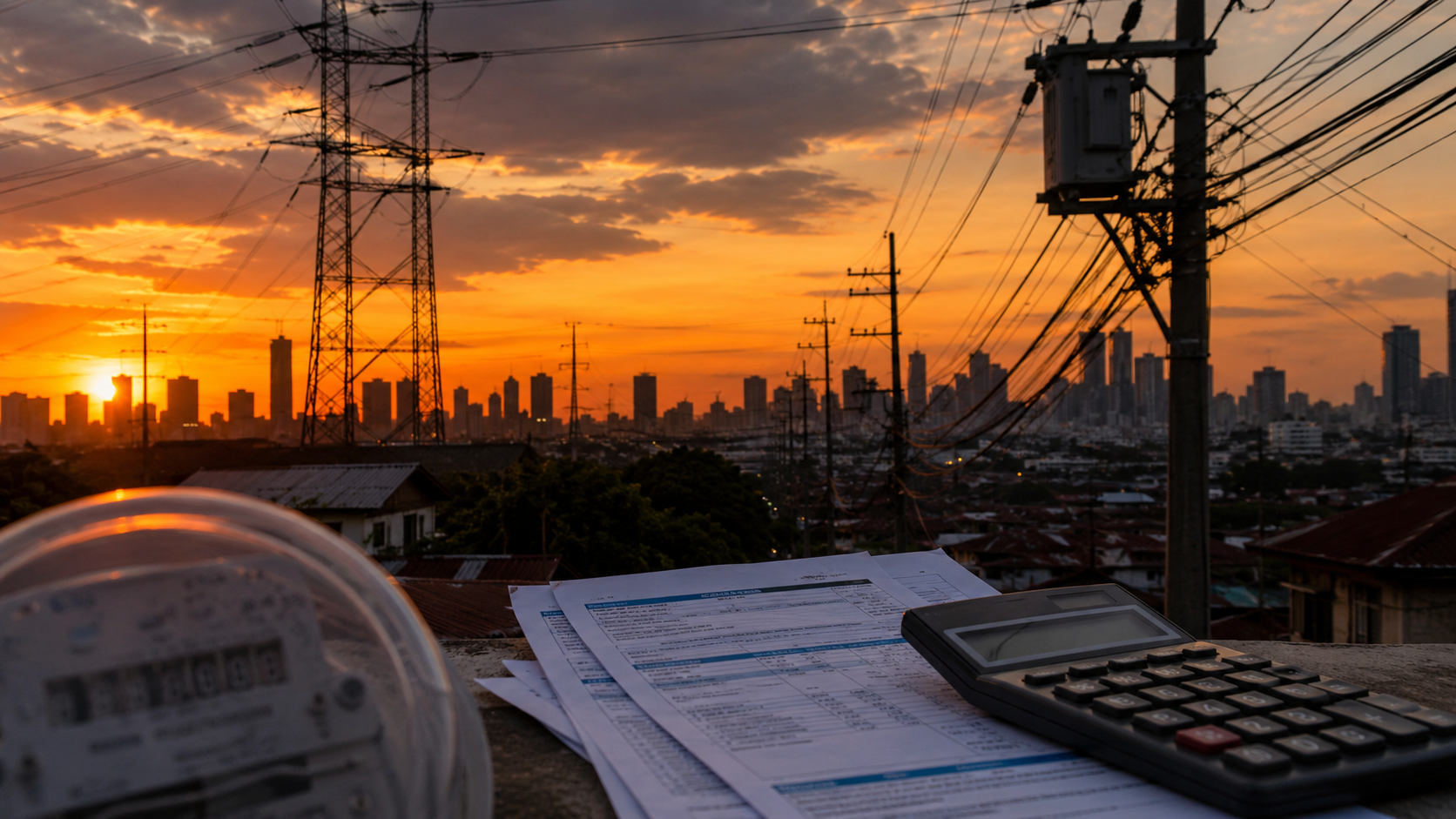
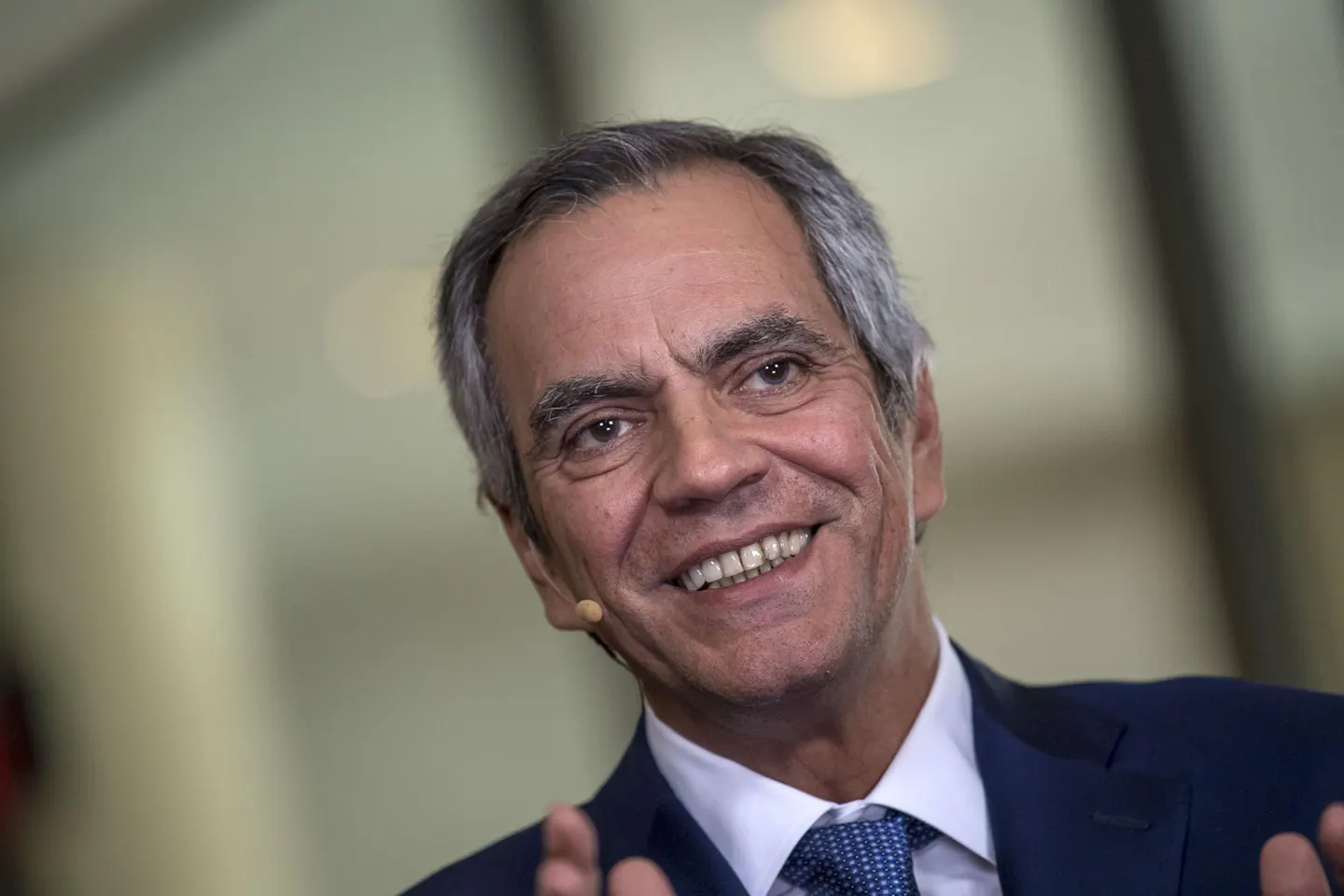
Social Welfare Secretary Rex Gatchalian has fired back at claims blaming Pantawid Pamilyang Pilipino Program (4Ps) beneficiaries for the recent surge in electricity costs, calling the narrative “fake news.” As consumers reel from the “bill shock” experienced this April, Gatchalian clarified that the burden of high electricity rates lies with the utility giant’s own power generation expenses, not the subsidies provided to the nation’s poorest. In a recent interview, Gatchalian debunked the idea that 4Ps subsidies are driving up residential rates. He pointed directly to Meralco’s generation costs as the primary driver of the price hike. “Hindi 4Ps ang rason kung bakit lumaki ang pag singil noong April. Yung bill shock na yun nanggaling sa sarili nilang generation. Tumaas ang generation expense nila.” “4Ps is not the reason why billing increased this April. That bill shock came from their own generation. Their generation expenses went up.” Gatchalian emphasized that the consumption footprint of a typical 4Ps household is negligible compared to commercial and high-end residential users. He noted that these families typically possess very few appliances. “Napakaliit lang ng kinukonsumo ng 4Ps… ang average niyan, wala pang kalahati ng sentimo ang napupunta sa lifeline rate, P0.40 centavos… Kasi nga ang 4Ps halos wala namang appliances sa bahay… To the most isang electric fan at ilang bumbilya. So hindi sila ang rason kung bakit sumipa ng ganun kalaki.” “The consumption of 4Ps [households] is very small… on average, less than half a centavo goes to the lifeline rate, or P0.40 centavos… Because 4Ps households hardly have any appliances… at most one electric fan and a few light bulbs. So they are not the reason why [the bill] spiked that significantly.” A Call for Corporate Responsibility With the Senate poised to revisit the Expanded Lifeline Rate Law, Gatchalian is advocating for a shift in who bears the cost, suggesting Meralco absorb the subsidy as part of their Corporate Social Responsibility (CSR). “Sang ayon kami doon sa panukala, maliit lang ito dapat i-absorb na ng Meralco… sa laki ng kanilang sinisingil, dapat sana sila mag-absorb nito. Parang CSR na nila.” “We agree with the proposal; this is a small amount that Meralco should absorb… given the scale of what they charge, they should be the ones absorbing this. It should be like their CSR.” Read related topics Colmenares Insists on Ending ‘Legalized Robbery’ Amidst Meralco Bill Shock
UPGRADE NG KURYENTE: ILOILO MODEL, POSIBLENG PAKINABANGAN NG SOCCSKSARGEN

GENERAL SANTOS CITY — Posibleng makinabang ang mga consumer sa Soccsksargen sa modernong power system na ginagamit na sa Iloilo City. Ipinapakita ng MORE Electric and Power Corporation (MORE Power) kung paano nababawasan ang brownout at napapabilis ang restoration gamit ang advanced substations, automated systems, at real-time monitoring tulad ng SCADA. Gumagamit din ang MORE Power ng smart devices tulad ng Automatic Circuit Reclosers (ACR) at Digital Microprocessor Relays na awtomatikong nag-iisolate ng sira para maiwasan ang malawakang brownout. Mobile Substations at Preventive Tools May Mobile Substations na pansamantalang nagbibigay ng kuryente habang may maintenance o emergency. Ginagamit din ang thermal scanners at drones upang makita agad ang posibleng sira bago magdulot ng major outage. Flexible at Safe na Distribution Sa interconnected network, nairere-route ang kuryente kapag may sira. May Load Break Switches para ihiwalay ang apektadong bahagi nang hindi pinapatay ang buong linya. Gumagamit din ng covered conductors o “tree wires” upang maiwasan ang brownout mula sa puno at iba pang bagay na tumatama sa linya. Proposed Partnership sa SOCOTECO II Plano ng Ignite Power, kapatid ng MORE Power, na ipatupad ang parehong modernisasyon sa Soccsksargen sa pakikipagtulungan sa SOCOTECO II. Layunin nitong dalhin ang SCADA, ACRs, at automated substations para sa mas maaasahan at episyenteng serbisyo sa General Santos City at kalapit na lugar. Tungkol sa MORE Power at Ignite Power MORE Power ang tanging electric distributor sa Iloilo City at nagpatupad ng modernisasyon mula 2020. Ang Ignite Power ay joint venture ng MP Holdings ni dating Senador Manny Pacquiao at Primelectric Holdings ni Enrique K. Razon, nakatuon sa pagpapalawak ng modernong power solutions sa bansa.
Colmenares Insists on Ending ‘Legalized Robbery’ Amidst Meralco Bill Shock

Consumer advocates and the group Bayan Muna strongly condemned the “bill shock” experienced by millions of Meralco customers this April and May 2026, amidst record-high rates that hit ₱14.3496 per kWh. Bayan Muna Chairman Neri Colmenares described the situation as a form of “legalized robbery” being shouldered by ordinary Filipinos. According to Colmenares, it is unacceptable that consumers are the ones absorbing every depreciation of the peso against the dollar due to Meralco’s “dollar-denominated” contracts. “Bakit ang taumbayan ang pinagbabayad ninyo sa paghina ng piso? Ang Meralco ay kumikita ng bilyon-bilyon, pero ang risk ng palitan ng dolyar ay ipinapasa sa mga pamilyang hindi na magkandaugaga sa taas ng presyo ng bigas at bilihin,” (Why are you making the people pay for the weakening of the peso? Meralco earns billions, but the risk of the dollar exchange is passed on to families who are already struggling to cope with the high price of rice and goods,) said Colmenares. Colmenares also emphasized the unjust imposition of the 12% Value-Added Tax (VAT) on the System Loss Charge. He compared it to buying items at a market where the buyer takes home something in exchange for the tax paid. “Sa system loss, nagbayad ka ng 12 percent VAT, pero anong inuwi mo? Wala. Bayad ito sa kuryenteng hindi mo naman ginamit, kuryenteng nawala dahil sa inefficiency ng Meralco o sa mga illegal connection na sila naman dapat ang rumeresolba. Hindi namin kasalanan, bakit kami ang sisingilin?” (With system loss, you paid 12 percent VAT, but what did you take home? Nothing. This is payment for electricity you didn’t even use, electricity lost due to Meralco’s inefficiency or illegal connections that they should be the ones resolving. It’s not our fault, so why charge us?) Colmenares asserted. Critics also pointed out Meralco’s seemingly “snail-paced” transition to Renewable Energy (RE). While some distribution utilities in Iloilo, Bohol, and Davao are experiencing lower rates due to local and renewable sources, Meralco remains reliant on imported natural gas and coal. “Sampung porsyento (10%) lang ang renewable energy ng Meralco. Ang natitira, imported na gas at coal na binabayaran sa dolyar. Kaya bawat kibot ng world market, bill shock ang hatid nila sa atin. Ito ang bunga ng pagiging monopolyong nakasandal sa dayuhang interes,” (Meralco’s renewable energy is only ten percent (10%). The rest is imported gas and coal paid for in dollars. So with every movement of the world market, they bring us bill shock. This is the result of being a monopoly leaning on foreign interests,) Colmenares added. Bayan Muna is calling on Meralco to act and renegotiate all Power Supply Agreements (PSAs) with coal and gas plants so that payments in their contracts are “Peso-denominated” and not “Dollar-indexed.” They also demand the removal of VAT on system loss and other pass-through charges, and for the government to use its funds for subsidies on lifeline rates instead of passing the cost onto the bills of regular consumers.
Senate Protect Committee calls for amendment of Epira law to stop Meralco’s inflated charges

A member of the Senate PROTECT Committee called for the immediate amendment of the EPIRA law to stop the exorbitant charges imposed by Meralco on its consumers who are already reeling from the rising fuel and food prices due to Middle East conflict. Senator Imee Marcos has joined several legislators questioning Meralco’s inflated consumer charges that resulted to rising bills in the last two months. She said the immediate amendment of the EPIRA law is aimed to permanently remove unjust pass-on charges and the “compounded calculation” of system loss. She also called on the Energy Regulator Commission and the Department of Energy to conduct similar investigations on Meralco’s inflated charges. “This isn’t just about following the law; it’s a matter of compassion for the people. In the middle of a crisis, it should be the big companies adjusting, not the consumers who are being bled dry by the high cost of electricity,” Marcos concluded. Marcos said the generation charges being imposed on Meralco is already expensive compared with other energy distributors. To make matters worse, Marcos said Meralco has to impose other ancillary charges, based on its “magical computations.” According to Marcos, this system results in “double-charging.” When petroleum prices rise or the peso weakens, the electricity bill increases; however, the System Loss charge also automatically rises even if the actual amount of electricity lost in the lines has not increased. “It’s like you’re playing with the computation just to make the bills heavier. The cost of electricity goes up once, but you charge us two or three times across different line items,” the senator asserted. Meralco charges questioned include the standby power, which have not been used, yet already collected from the consumers. “And what hurts is that even this standby power is still slapped with a system loss charge. This is overwhelming for families who are already struggling,” Marcos explained. Marcos also questioned that pass on charges such as lifeline rates and senior discounts, which although useful for some sectors, should not be shouldered by the energy consumers. “Meralco is the biggest utility (firm). Can’t Meralco just absorb that (referring to lifeline and senior discounts) instead of passing it on to other consumers? Why do the small people have to carry the burden for all these discounts?,” Marcos said. Marcos refuted Meralco’s justification that “summer demand” caused the high bills, noting that electricity consumption actually dropped from 2.711 billion kWh in February to 2.644 billion kWh this April. She also slammed the imposition of Value Added Tax (VAT) on every component of the bill, including system loss and transmission, which further bloats the total amount.
Razon utilities ease power bills over ₱1/kWh while Meralco raises rates ahead of summer
The Manila Electric Company (Meralco) raised its residential electricity rates this February despite the country still being in cooler months and before the official start of summer, while several provincial utilities under business tycoon Enrique Razon Jr. — Bohol Light, Negros Electric and Power Corporation (NEPC), and MORE Power in Iloilo — implemented substantial rate cuts exceeding ₱1 per kilowatt-hour (kWh). Meralco’s February residential rate increased by ₱0.2226 per kWh, bringing the total to ₱13.1734 per kWh from ₱12.9508 in January. The utility cited higher transmission charges and an upward adjustment in the Universal Charge for Missionary Electrification (UCME) as the main drivers of the increase, which outweighed modest reductions in generation costs from Independent Power Producers (IPPs). In contrast, utilities under Razon’s business portfolio passed on significant savings to consumers. MORE Power (Iloilo) reduced its residential rate by ₱1.06 per kWh, lowering it from ₱12.66 to ₱11.60 per kWh. Households consuming 200 kWh may save around ₱212 this month. The reduction was primarily due to lower Wholesale Electricity Spot Market (WESM) prices, decreased system losses, and improved reliability of generation plants. Bohol Light implemented a ₱1.6075 per kWh cut, bringing residential rates to ₱12.5251 per kWh, citing lower generation charges and decreased line rental costs. NEPC posted one of the largest reductions, lowering rates by ₱1.66 per kWh, from ₱13.10 to ₱11.44 per kWh, the decrease followed a sharp drop in generation costs. Meralco Vice President and Head of Corporate Communications Joe R. Zaldarriaga rerminded customers that with electricity rates already higher this February, they should prepare for the upcoming summer season, when energy demand typically spikes. “We reiterate our call for customers to practice energy efficiency as we approach the dry season,” Zaldarriaga added. The contrasting rate movements are drawing attention as both Meralco and MORE Power are proposing a joint venture agreement with BATELEC II, an electric cooperative in Batangas. The proposed partnership aims to address persistent electricity supply challenges in the province, improve operational efficiency, and provide reliable service to consumers.
Treñas gives 150% endorsement for MORE Power as Batangas’ next power distributor
Former Iloilo City Mayor Jerry P. Treñas has given his “150% endorsement” to MORE Electric and Power Corporation (MORE Power) as the next power distributor for Batangas through its Joint Venture Agreement (JVA) with Batangas II Electric Cooperative(BATELEC II), sharing how the company helped transform Iloilo City’s economy and quality of life in just a few years. “When MORE Power came to Iloilo, our city’s power supply finally became stable, reliable, and affordable,” Treñas recalled. “That stability brought in investors, created jobs, and fueled Iloilo’s growth. I can proudly say that Iloilo’s transformation was literally powered by MORE Power,” he added. Since taking over Iloilo’s power distribution in 2020, MORE Power has poured in billions of pesos to modernize the city’s entire electrical system by building new substations, upgrading distribution lines, and installing advanced technology for faster response and outage management. “In just five years, MORE Power has done what some utilities take decades to accomplish,” Treñas said. “They modernized Iloilo without passing the burden to consumers. Even with all the upgrades, our power rates remain among the lowest in the Visayas region,” he said. Treñas said that before MORE Power’s entry, Iloilo City faced frequent brownouts and unstable electricity that discouraged investors and frustrated residents. “Those days are long gone,” he shared. “Now, Iloilo is one of the most business-friendly cities in the Philippines. Investors trust us because our energy is stable. People’s lives have improved, and our local economy is stronger than ever.” He believes the same transformation can happen in Batangas once the partnership between MORE Power and BATELEC II pushes through. “Batangas has everything it needs to become one of the country’s strongest economic zones,” Treñas said. “But it needs a dependable, forward-looking energy partner and MORE Power has already proven it can deliver,” he said. The former mayor appealed to Batangueños to be open to the change that comes with modernization, assuring them that it leads to real progress. “To my friends in Batangas, support the change,” Treñas urged. “Change is inevitable, and it’s good. We once faced the same uncertainty in Iloilo, but trusting MORE Power turned out to be one of the best decisions we ever made.” He added that he can personally vouch for the company’s leadership and professionalism. “MORE Power’s management is transparent, hands-on, and genuinely committed to serving the people,” Treñas said. “They work closely with the local government and the community. If they can do it for Iloilo, they can do it for Batangas.” Treñas expressed optimism that Batangas will soon experience the same benefits that Iloilo enjoys today — stable electricity, more investments, and a stronger local economy. “With MORE Power’s proven track record, I’m confident Batangas can look forward to a brighter, more progressive future. What happened in Iloilo can—and will—happen in Batangas,” Treñas concluded.
NASECOR asks ERC: Are Meralco bills fair?
The National Association of Consumer Organizations (NASECOR) is calling on the Energy Regulatory Commission (ERC) to check if Manila Electric Company (Meralco) is overcharging consumers. In a January 22, 2026 letter, NASECOR president Petronilo Ilagan asked how many of Meralco’s subsidiaries and related businesses fall under the law requiring utilities to pass earnings from other businesses back to customers. Section 26 of the Electric Power Industry Reform Act of 2001 (RA 9136) mandates separate accounting, clear audits, and bill reductions when utilities earn from rate-based assets. “Linawin lang natin ito. Hindi ito reklamo. Hindi rin ito akusasyon. Isa itong diretsong tanong para sa consumers… May audit ba? May malinaw bang segregation ng accounts? At may bill reduction bang pinapasa sa consumers kapag may kinita?” Ilagan asked in a Facebook reel. “Hindi po ito konklusyon. Ito ay clarification na hinihingi ng consumers. Dahil simple lang ang logic: kung may income na dapat bumaba sa singil pero hindi naipapasa, ang ending, mas mataas ang binabayaran ng consumers kesa sa dapat,” the former Department of Energy undersecretary added. Ilagan stressed they are not seeking special treatment, only fair and transparent enforcement of the law. “Ang transparency ay hindi paninira. Ang audit ay hindi kaaway. Ito ay normal na bahagi ng tamang regulasyon lalo na kung milyong milyong Pilipino ang umaasa sa kuryente araw-araw,” he concluded.
MORE Power Announces 4.2% Rate Reduction for Iloilo City This December
MORE Power Iloilo: December Electricity Rates Reduction Iloilo City residents will see smaller utility bills this month. MORE Electric and Power Corp. (MORE Power) confirmed a significant electricity rates reduction for the December billing cycle. The company announced a 4.2% decrease in overall costs. This news offers much-needed financial relief for households and local businesses during the busy holiday season. Benefits for Households and Businesses Residential consumers now pay an average rate of P11.3477 per kilowatt-hour (kWh). This price is lower than November’s rate of P11.8558 per kWh. A typical household using 200 kWh could save about P100 this month. Local business owners also benefit from this change. Commercial rates fell to P10.6661 per kWh from the previous P11.1741 per kWh. This electricity rates reduction helps shops and restaurants manage their costs during the peak December shopping period. Why Market Prices Fell Several factors caused this price drop. MORE Power points specifically to the current energy market conditions. A wider power supply margin emerged as overall demand fell on the Wholesale Electricity Spot Market (WESM). When energy supply stays high while demand drops, prices usually fall. The utility provider successfully passed these market savings directly to Iloilo consumers. This shift ensures that local rates reflect the most recent market trends. Technical Savings and Efficiency Transmission charges also played a major role in the lower bills. These costs decreased by 3.7% month-on-month to P1.7918 per kWh. Lower prices for ancillary services and regulated charges caused this decline. These essential services help the company balance the power grid effectively. MORE Power also improved its internal operational efficiency. System losses decreased to P0.4086 per kWh from P0.4512 per kWh. System loss refers to energy that vanishes during the distribution process. By lowering these losses, the company keeps the local grid stable. While external market costs changed, MORE Power kept its own distribution charge the same.
Primelectric Benchmarks South Korea’s Power Distribution System

In its drive to further improve consumer services, officials of Primelectric recently traveled to Seoul, South Korea to study the country’s advanced power distribution system. The delegation was led by Primelectric President and CEO Roel Castro, who visited the Transmission and Distribution Headquarters of the Korean Electric Power Corporation (KEPCO), recognized globally as the World’s Best in Transmission and Distribution Efficiency. KEPCO presented how it maintains its remarkably low system loss of 3.53% and system average incident frequency index of just 0.6% per year—a clear indication that the utility experiences almost zero unscheduled power interruptions across its network. A major contributor to this performance is South Korea’s use of modern equipment and high-tech facilities, which significantly boost efficiency and reliability. As of today, 12.3% of its distribution lines are already underground, particularly in commercial districts; all lines are fully insulated, and thousands of automatic circuit reclosers (ACRs) are installed with the capability to reconnect power within just one second. The delegation was also shown unmanned substations, control panels, switches, ACRs, and other equipment—most of which are fully digitalized and remotely operated. KEPCO likewise demonstrated its ability to conduct live line maintenance works, which no longer require power shutdowns. Primelectric officials also expressed admiration for KEPCO’s strict implementation of safety standards, particularly its use of specialized safety gear and protocols to protect linemen and technical personnel. According to Castro, this benchmarking mission will significantly influence the direction of Primelectric and its operating units—MORE Power, Negros Power, and Bohol Light—as well as other potential expansion areas in the Philippines. “What we saw in KEPCO is not just technology, but a mindset—a culture of efficiency, reliability, and safety. This is the level of service we want to bring to our consumers,” Castro said.“We plan to send our engineers to the KEPCO Academy to speed up the adoption of modernized systems and familiarize them with world-class equipment.” With the delegation’s return to the Philippines, Primelectric aims to implement the modern practices it learned—phase by phase—to steadily move toward world-class standards in the country’s power distribution sector.
Biodiesel Group Urges Careful Review of Proposed “Murang Langis” Bill

MANILA, Philippines — The Philippine Biodiesel Association (TPBA) on Monday called for a careful evaluation of proposed changes to Republic Act No. 9367, or the Biofuels Act of 2006, stressing that any adjustments should consider “the wider implications” for motorists, farmers, and public health. The group’s statement comes as House Bill 4151, also known as the “Murang Langis Act,” is being deliberated in Congress. The bill seeks to give the President the power to suspend the mandated coco-biodiesel blend whenever blended diesel costs at least 5% more than pure diesel. While acknowledging the consumer-protection goals of HB 4151, TPBA emphasized that blended diesel is not always more expensive. “In several periods—particularly during global oil price volatility—coco-biodiesel has been at parity or even cheaper than pure diesel,” the group noted. Under current conditions, TPBA said the B3 blend adds only about ₱0.71 per liter over B2, or less than 2%, while a potential B5 blend may add roughly another 3%. Yet, it delivers a 6–10% improvement in fuel efficiency, the group added. The association cited studies by the Department of Energy (DOE) and the University of the Philippines–National Center for Transportation Studies (UP-NCTS) as evidence supporting the benefits of biodiesel blends. TPBA also expressed support for Energy Secretary Sharon Garin for pushing policies that balance consumer protection, farmer welfare, environmental responsibility, and national energy security. “The DOE has done an excellent job ensuring energy security and balancing stakeholder needs. Our contribution to the discussion is simply to highlight additional considerations to help ensure that all angles are fully evaluated,” TPBA Executive Director Ramon Taniola said. TPBA further noted the environmental and public health benefits of coco-biodiesel, which can reduce soot emissions by up to 95%, potentially avoiding P1.86–2.2 trillion in annual health costs—a gain that directly benefits urban communities, children, seniors, and daily commuters. “Biodiesel continues to give Filipinos more value per peso, and we hope to preserve that momentum,” Taniola added.