MORE Power Wins CSR Company of the Year at 2025 Asia CEO Awards

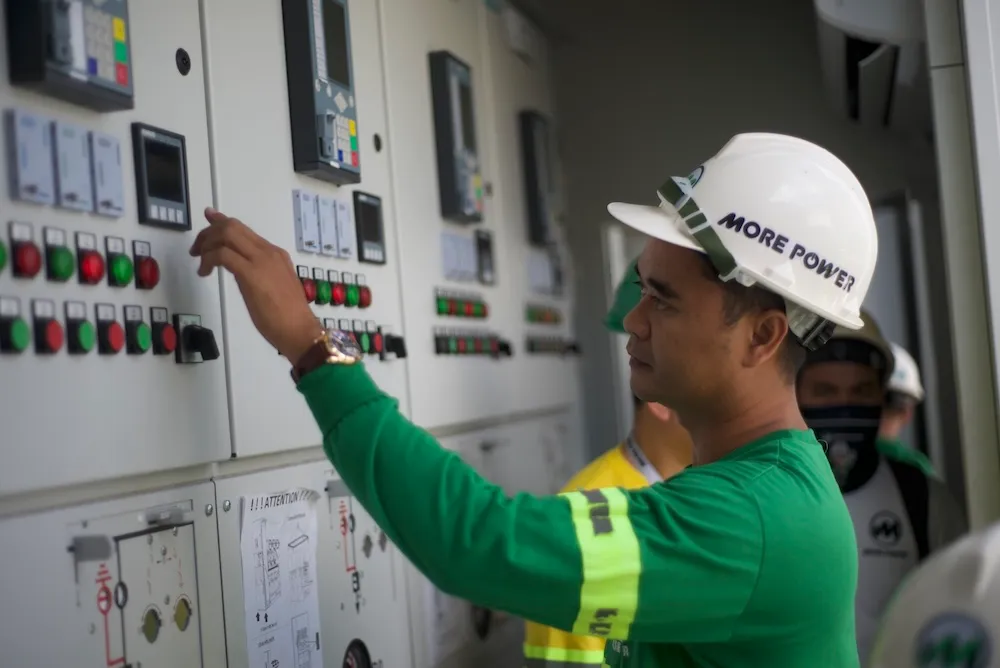
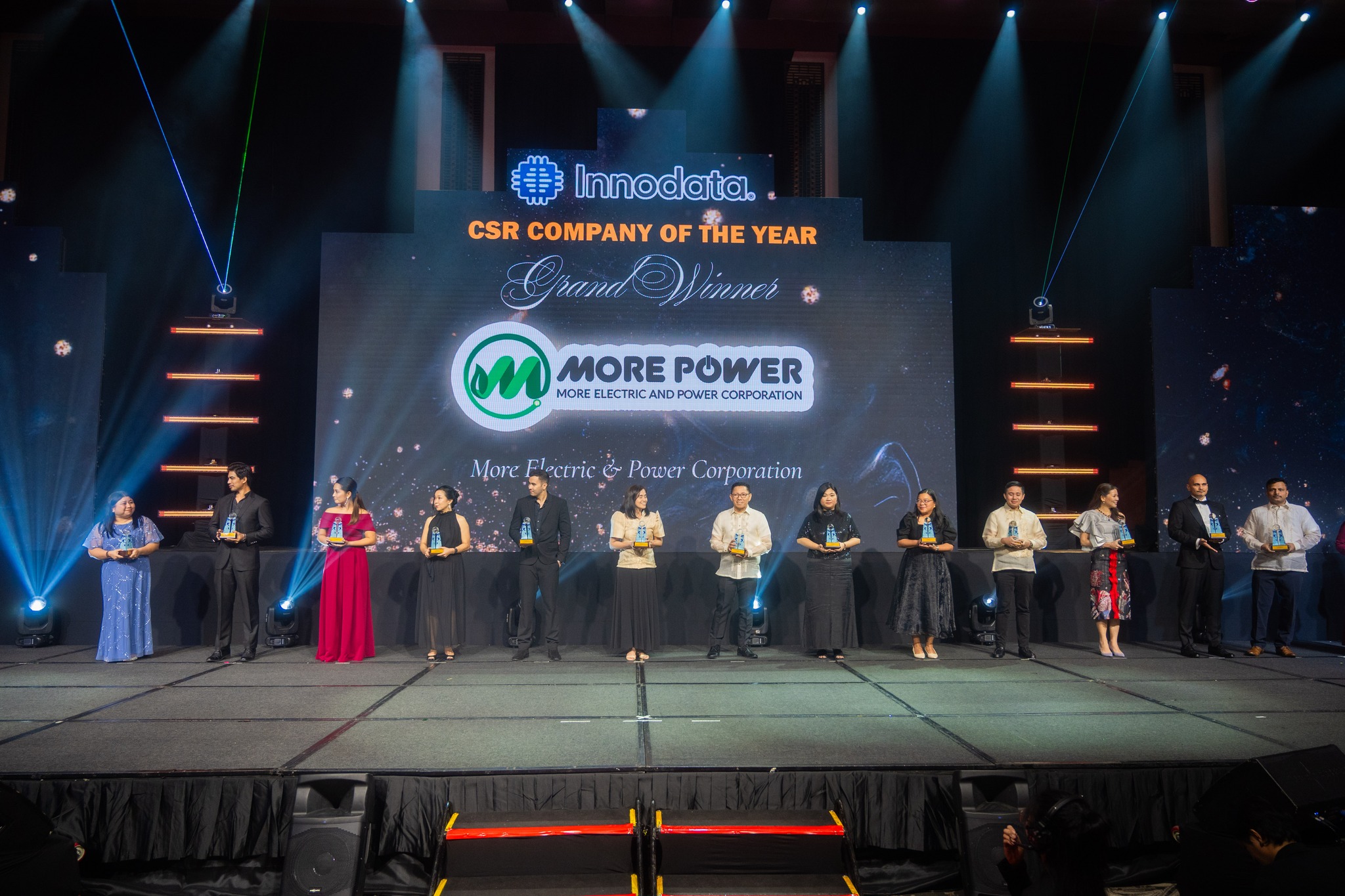
MANILA, Philippines — MORE Electric and Power Corporation (MORE Power) has been recognized as the Grand Winner for CSR Company of the Year (Innodata Circle of Excellence) at the 2025 Asia CEO Awards, held on October 14 at the Manila Marriott Grand Ballroom. The award highlights MORE Power’s strong commitment to corporate social responsibility (CSR), underscoring the company’s efforts to promote environmental sustainability, community livelihoods, and youth development. These initiatives have been credited for creating lasting positive impact across the communities the company serves. Janet Petilla, Vice President for Project Delivery at Innodata Knowledge Services, emphasized the significance of CSR in modern business: “Corporate social responsibility is the gold standard for being recognized as a premier company in the Philippines. Companies dedicated to CSR attract top talent and loyal customers. Their success shows that caring for the community and the nation is inseparable from corporate excellence.” In response, MORE Power expressed gratitude to the Asia CEO Awards and reaffirmed its commitment to advancing pro-people and pro-environment programs that empower communities while promoting sustainable growth. Operating as Iloilo City’s electric distribution utility since 2020, MORE Power emerged as a standout among a strong list of finalists, which included AXA Philippines, Concentrix, Gardenia Bakeries, Genpact, Hewlett Packard Enterprise, PJ Lhuillier, PLDT and Smart, Robinsons Land Corporation, SixEleven Global Services, White & Case Global Operations Center (Manila), and Wipro Philippines. This recognition reinforces MORE Power’s position as a leader in energy distribution and sustainability, demonstrating that responsible energy companies can drive both community development and corporate success.

Power Poverty Persists: Inside the Lives of the Energy-Insecure

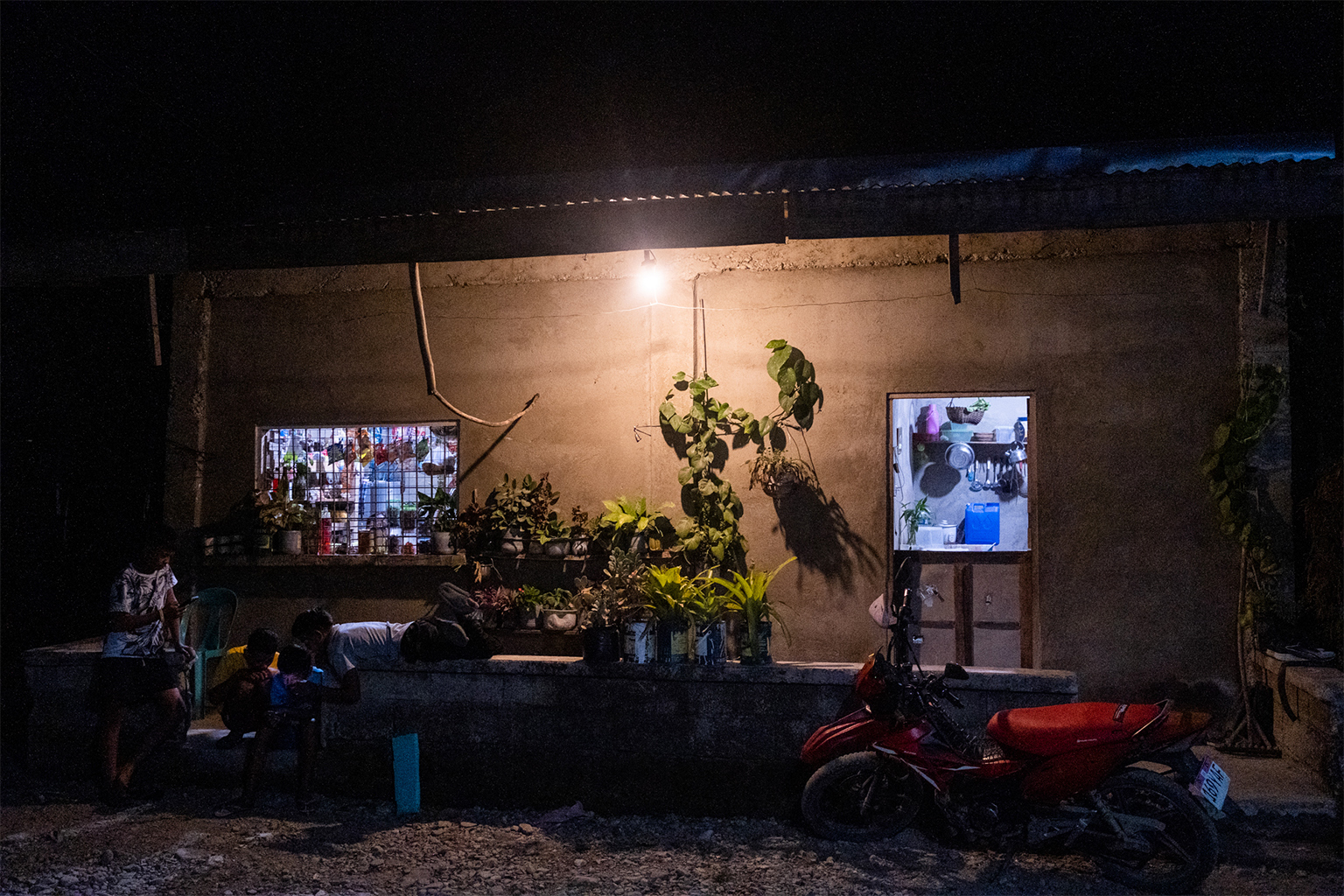
Despite years of investment and policy reforms, millions of Filipinos continue to live without reliable access to electricity — a challenge that underscores the country’s deepening energy inequality as it races toward its 2030 electrification target. The Scale of Energy Poverty According to a 2024 study by the Philippine Institute for Development Studies (PIDS), approximately 16 million Filipinos still lack access to electricity, representing around 14% of the population. While the Department of Energy (DOE) reports a national electrification rate of 90.4%, it acknowledges that “many households in off-grid and remote areas still experience intermittent or limited electricity service.” The DOE’s Total Electrification Program, launched in 2019, aims to close this gap by extending grid connections and developing off-grid renewable systems. However, in its 2024 annual update, the agency admitted that “electrification of geographically isolated and disadvantaged areas (GIDAs) remains a major challenge due to logistical constraints, fuel transport costs, and disaster vulnerability.” High Costs and Uneven Access The Philippines continues to record one of the highest electricity rates in Southeast Asia, largely due to its dependence on imported fuels. In 2025, the International Energy Agency (IEA) cited the Philippines as a country where “household energy costs remain disproportionately high compared to regional peers, straining low-income families and small enterprises.” PIDS Senior Research Fellow Dr. Josef Yap noted that “energy poverty in the Philippines is not only about physical access, but also about affordability and reliability,” calling for “a multidimensional measure of energy insecurity that includes cost burden, service quality, and household welfare.” In its latest Sustainable Development Goal 7 (SDG7) country report, the Global SDG7 Hub estimated that the poorest 20% of Filipino households spend up to 20% of their monthly income on electricity and cooking fuel — far above the international energy affordability benchmark of 10%. The Unequal Energy Map Geographic inequality continues to define access. DOE data show that electrification rates are highest in Luzon (98%), but significantly lower in parts of Mindanao and small island provinces. In the Bangsamoro Autonomous Region in Muslim Mindanao (BARMM), energy access remains below 70%, according to the National Electrification Administration (NEA). A 2023 NEA report identified Palawan, Basilan, and Eastern Samar among the provinces with the lowest power reliability, citing “insufficient generation capacity and dependence on diesel power plants.” Health, Education, and Livelihood Impacts The consequences go beyond inconvenience. A 2022 report by the Asian Development Bank (ADB) found that households without reliable power face “limited access to digital learning, refrigeration for health facilities, and income-generating equipment,” worsening poverty cycles in off-grid regions. In a public statement, DOE Secretary Raphael Lotilla emphasized that “universal, affordable, and reliable electricity is essential to inclusive development,” noting that “the energy transition must not leave behind communities that have waited decades for stable power.” Renewable Microgrids as a Solution The DOE and private sector are increasingly turning to renewable microgrid systems to reach far-flung communities. Under the Microgrid Systems Service Provider (MGSP) Program, projects in Masbate, Occidental Mindoro, and Samar are already operational. In 2024, the DOE reported that solar-hybrid microgrids in off-grid barangays had reduced household energy costs by up to 30% while providing 24-hour power for the first time. According to the agency, “off-grid renewable systems are the fastest, most cost-effective pathway to total electrification.” Climate Reality Philippines, a non-governmental organization, echoed this view in its 2023 policy paper, stating that “localized renewable energy solutions can eliminate fuel transport costs, reduce carbon emissions, and provide communities with greater control over their energy systems.” The Policy Challenge Ahead While the government’s 2030 target remains in sight, experts warn that success will depend on addressing both affordability and quality. The PIDS has recommended reforms such as: Expanding lifeline electricity subsidies for low-income consumers; Modernizing electric cooperatives through funding and digitalization; Integrating clean cooking and renewable microgrids into rural development plans. In its 2025 briefing, PIDS concluded: “The Philippines must redefine electrification not just as connection, but as the ability of every household to access sufficient, reliable, and affordable energy for a dignified life.” The Bottom Line Power access in the Philippines has improved, but the reality of energy insecurity persists — particularly for the poor, the rural, and the remote. As the nation pushes toward a renewable future, ensuring equitable access remains one of the most urgent and complex challenges of its energy transition. Sources: Philippine Institute for Development Studies (PIDS) – Energy Access Studies Department of Energy – 2024 Total Electrification Report International Energy Agency (IEA) – Southeast Asia Energy Outlook 2025 Global SDG7 Hub – Philippines Country Report National Electrification Administration (NEA) – Electrification Updates Asian Development Bank – Energy Access and Poverty Report 2022 Climate Reality Philippines – Renewable Energy Policy Brief 2023

The Budget Battle Over Energy Subsidies: Who Gains, Who Loses?

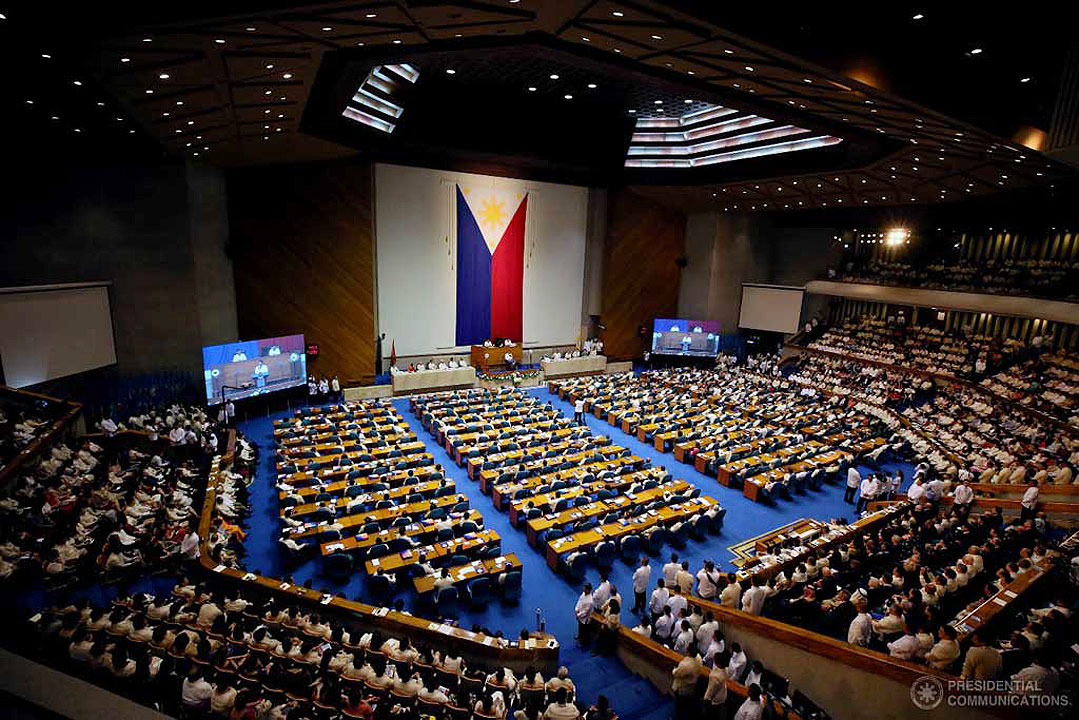
The Budget Battle Over Energy Subsidies: Who Gains, Who Loses? Introduction Energy subsidies are one of the most contentious lines in the Philippine budget. On one hand, they can provide relief to vulnerable sectors during times of high fuel and power prices. On the other, they often weigh heavily on government finances and may benefit higher-income groups disproportionately. As the country balances inflation, energy security, and transition to cleaner sources, the subsidy debate is heating up: who gets helped, and who ends up bearing the cost? What Are the Key Subsidies Under Debate Here are some of the main subsidy mechanisms in play (or being proposed) and how they work: Fuel subsidies for transport (public utility vehicles, tricycles, ride-hailers, delivery services) and agriculture (farmers and fisherfolk). These are meant to cushion the blow when global oil prices surge. (powerphilippines.com) Electricity subsidies / support to off-grid or far-flung areas: Through the Universal Charge for Missionary Electrification (UCME), which helps subsidize electricity costs in areas disconnected from the main grid. (legacy.senate.gov.ph) Rural electrification programs like “sitio electrification,” funding for the National Electrification Administration, and other DOE-led initiatives. (powerphilippines.com) Subsidies for state-owned corporations (GOCCs): The government gives budget support to energy-related GOCCs to cover costs beyond what they can earn. (philstar.com) Who Gains from Energy Subsidies Vulnerable households and rural communities often benefit the most, especially those in off-grid areas who face higher electricity costs. Fuel subsidies also reduce transport and farming expenses, cushioning the impact of global price spikes. PUV drivers, farmers, and fisherfolk gain from direct fuel assistance to keep their livelihoods viable during price surges. (dbm.gov.ph) Off-grid and island communities depend on UCME support to keep electricity costs manageable. Without these subsidies, many would pay far higher rates. Agriculture and fisheries producers benefit from lower fuel costs, helping maintain food production and transport in times of volatility. Who Loses or Gets Left Behind Higher-income and urban consumers may indirectly gain from universal subsidies, even though they don’t need them. NEDA has warned that broad energy subsidies often benefit wealthier households more. (gmanetwork.com) Taxpayers and public finances carry the burden. More subsidies mean less funding for health, education, or renewable energy. When oil subsidies rise, fiscal pressure builds. (powerphilippines.com) State-owned utilities can struggle if subsidies are cut or delayed, forcing them to absorb costs or reduce services. Subsidies to GOCCs dropped significantly this year, raising concerns over operational sustainability. (philstar.com) Renewable energy programs risk underfunding when fossil-fuel subsidies dominate. Budget constraints often limit funding for green initiatives. (pna.gov.ph) Remote areas may also lose when subsidy allocation is uneven or delayed, leaving them with high generation costs despite national programs. (legacy.senate.gov.ph) Recent Moves and Budget Trends The DOE requested a 24.4% increase in its 2026 budget to expand electrification and clean energy programs. (powerphilippines.com) Subsidies for GOCCs have been scaled back, down over 10% year-on-year. (mb.com.ph) The UCME fund ballooned from ₱7.34 billion in 2015 to ₱24.62 billion in 2024, as more off-grid areas received support. (legacy.senate.gov.ph) The government remains cautious about general fuel or power subsidies, citing fiscal sustainability concerns. (gmanetwork.com) The Trade-offs Targeting vs universality: Broad subsidies are politically easy but economically costly. Targeted aid is more efficient but harder to administer. Short-term relief vs long-term transition: Should funds go to immediate relief or to renewable energy projects that reduce dependency on imports? Fiscal sustainability: Expanding subsidies risks ballooning deficits and crowding out other social spending. Efficiency and transparency: Misuse or misallocation can waste resources and weaken public trust. Who Should Win and Policy Recommendations Low-income households and remote communities should remain top priority in energy subsidy programs. Essential sectors like transport, farming, and fishing need timely, well-targeted assistance during fuel price spikes. Renewables and electrification programs deserve stronger budgetary backing to ensure long-term energy resilience. Efficiency and transparency in programs like UCME must improve to ensure subsidies match actual needs. Gradual, conditional reforms should protect the poor as subsidies for fossil fuels are phased down. Conclusion Energy subsidies remain a balancing act between social welfare, fiscal prudence, and climate responsibility. Properly designed, they can shield the vulnerable and stabilize prices. Poorly targeted, they drain budgets and delay progress toward clean energy. In this ongoing budget battle, the winners should be those benefiting from smart, targeted, and transparent subsidy systems—and the losers, those clinging to wasteful policies that burden the public and stall the transition to a sustainable energy future. 2026 national budget can strike that balance remains to be seen, but one thing is clear: every allocation choice made today will shape the Philippines’ energy future for decades to come. Sources: Department of Budget and Management Department of Energy Senate of the Philippines Philippine Energy Transition Council reports

Citicore Unveils Batangas 1: PH’s First Baseload Solar + Storage Facility

The Philippines has marked a milestone in its renewable energy journey with the inauguration of Citicore Renewable Energy Corp.’s Batangas 1 Solar Plant, the country’s first baseload-capable solar + storage project. Located in Calatagan, Batangas, the 197 MW solar farm is paired with a 320 MWh battery energy storage system (BESS), making it capable of delivering stable power to the grid even beyond daylight hours. Energy officials describe it as a “game-changer” in addressing one of the biggest challenges of renewable energy — intermittency. “This is proof that renewable energy can now provide baseload capacity. It is not just supplemental, but dependable power that can help stabilize our grid,” said Citicore executives during the inauguration. The project is expected to supply power to thousands of households, contribute to the government’s 35% renewable energy target by 2030, and reduce the country’s reliance on imported fossil fuels. Industry analysts point out that the Batangas 1 project comes at a crucial time, as rising electricity rates and frequent typhoon disruptions underscore the need for resilient and sustainable energy systems. The integration of solar with large-scale battery storage could set a precedent for future projects nationwide. Citicore’s Batangas 1 is also aligned with the Philippines’ commitments under the Paris Agreement, helping cut carbon emissions while promoting cleaner, more affordable power. Source: Reccessary

Philippines Eyes $800-Million World Bank Loan for Clean Energy, Water Reforms

The Philippine government is moving to finalize a USD 800 million loan from the World Bank aimed at accelerating the country’s energy transition and strengthening water governance. According to the Department of Finance, the program — formally called the Second Energy Transition and Climate Resilience Development Policy Loan (DPL2) — will support policy and institutional reforms that promote clean energy investments, modernize the electricity market, and improve water resource management. The financing is part of Manila’s broader strategy to cut greenhouse gas emissions, meet its renewable energy targets, and bolster resilience against climate change. The World Bank noted that the package will also improve energy affordability and reliability by encouraging competition and efficiency in the power sector. Energy officials highlighted that the loan will help scale up solar, wind, and hydropower projects, while providing support for grid modernization and energy storage technologies. On the water side, reforms will focus on better governance, sustainable allocation, and expanded access for underserved communities. “This initiative is not just about financing projects — it’s about laying down a policy framework that ensures long-term resilience,” the DOF said in a statement. The move comes as the Philippines faces dual challenges: climate-driven disasters that frequently disrupt power and water services, and rising electricity costs that burden households. The World Bank package is expected to ease fiscal pressures while accelerating reforms needed to align with the country’s climate commitments. If approved, the $800-million DPL2 will be disbursed in tranches over the coming years, contingent on progress in implementing the agreed reforms. Source: SolarQuarter

Alternergy Expands Wind Portfolio with Quezon Projects Acquisition

Alternergy Holdings Corp. is ramping up its renewable energy portfolio after acquiring majority stakes in two wind farm projects in Quezon province from CleanTech Global Renewables Inc. The deal covers the 96-megawatt Tayabas North and the 150-megawatt Tayabas South wind projects, including their assets, permits, and development contracts. CleanTech will retain an equity stake in the ventures and may reinvest further as co-developer. According to Alternergy, the transaction marks a strategic expansion of its pipeline beyond its first 500 MW of projects already in the works. Mabuhay Capital served as financial advisor for the deal. The transfer of ownership is still subject to approval by the Department of Energy (DOE). Tayabas North has already secured a slot under the government’s 4th Green Energy Auction, while the Tayabas South project’s progress will depend on landing an offtake agreement with buyers. Industry watchers note that these projects could help the Philippines inch closer to its renewable energy targets, but challenges remain. Grid integration, financing risks, and timely regulatory approvals will determine whether Alternergy can deliver on its timetable. Local stakeholders in Quezon are also watching closely. Large-scale wind projects promise jobs and investment in host communities, but they also bring questions on land use, environmental safeguards, and long-term social impact. For Alternergy, the move highlights how acquisitions and partnerships are becoming essential tools for scaling up renewables in the Philippines. Whether these projects can translate into operational capacity within the decade will test not only the company’s strategy but also the country’s regulatory and infrastructure readiness. Sources: Philstar, BusinessMirror

Philippines Switches On First Agrivoltaic Solar Complex with 320 MWh Battery Storage

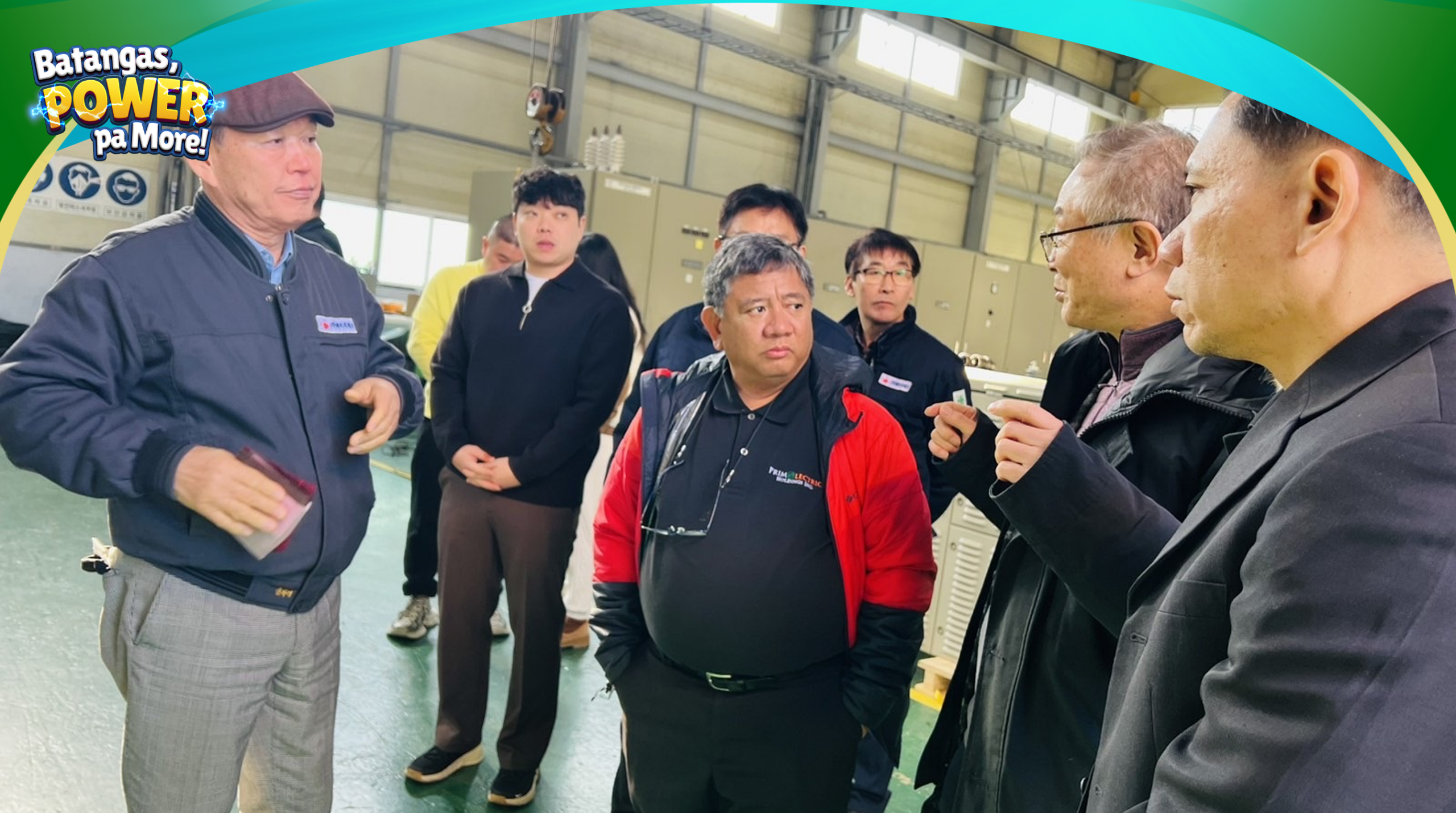
Batangas, Philippines — The country has taken a major step toward its renewable energy transition as Citicore Renewable Energy Corporation (CREC) inaugurated the Batangas 1 agrivoltaic solar complex, a landmark project combining large-scale solar generation with advanced battery storage and integrated agriculture. The facility, located across Barangays Lumbangan and Luntal in Tuy, Batangas, boasts 197 megawatts-peak (MWp) of solar capacity paired with a 320 megawatt-hour (MWh) battery energy storage system (BESS). According to project officials, it will be capable of powering up to 158,000 households while cutting an estimated 265,000 tons of carbon dioxide emissions annually. Power Even Without the Sun Unlike conventional solar farms that only produce during daylight hours, Batangas 1 is billed as the country’s first baseload-capable solar project. Its battery storage system allows electricity to be stored and dispatched at night or during cloudy periods, offering greater stability to the Luzon grid. “This is a game-changer for Philippine energy security. With solar and storage combined, we can now provide clean, reliable power that doesn’t just stop when the sun sets,” CREC executives said during the launch. Agriculture + Solar: The Agrivoltaic Model Batangas 1 also introduces the agrivoltaic model, where farmland is shared between agriculture and solar infrastructure. Crops are cultivated beneath and around the solar arrays, ensuring that the land continues to produce food while generating power. Officials said this approach helps address food security while easing community concerns about land conversion. National Renewable Push The project was inaugurated in the presence of President Ferdinand Marcos Jr., who highlighted the facility as a symbol of the government’s goal of sourcing 50% of the country’s power from renewables by 2040. “Projects like Batangas 1 show that the Philippines is ready to lead Southeast Asia in clean energy innovation. We can meet our people’s energy needs without sacrificing sustainability or growth,” Marcos said in his speech. Financing and Future Projects Backed by both local financing and foreign partnerships, CREC confirmed it is targeting 1 gigawatt (GW) of operational solar capacity by 2026, with similar hybrid projects in the pipeline. The company also sees battery storage as crucial in balancing the country’s energy mix as demand grows and fossil fuel prices remain volatile. Why It Matters The Batangas complex represents more than just a solar farm—it’s a blueprint for the future of Philippine energy, where technology, agriculture, and climate action intersect. For communities, it means cheaper, more stable electricity, new livelihood opportunities, and a cleaner environment. Sources: PV Magazine (Sept. 15, 2025), Power Philippines (Sept. 15, 2025), Philstar (Sept. 16, 2025), Energy-Storage News (Sept. 16, 2025)

DOE Eyes Renewable Energy as Main Power Source by 2035

The Philippines is accelerating its push into renewables, with the Department of Energy (DOE) laying out plans to shift the country’s power mix increasingly toward clean energy sources by 2035. Under its proposed roadmap, renewables won’t just supplement, but potentially become the primary source of electricity as the nation seeks to balance supply security, decarbonization, and economic resilience. What the DOE Plans The new Philippine Energy Plan (PEP) 2023-2050 sets ambitious milestones, including increasing the share of renewable energy in the power generation mix to 35% by 2030, and 50% by 2040. Power Philippines+3Asia Clean Energy Forum+3Asia EEC+3 DOE is also revising its energy roadmap (extending to 2050), which includes phasing down (and eventually moving beyond) coal power while incorporating more geothermal, hydropower, wind (onshore & offshore), and solar energy. Nuclear Business Platform+2Asia Clean Energy Forum+2 There is increasing interest in ancillary technologies like energy storage, grid upgrades, and policies such as Renewable Portfolio Standards, Green Energy Auctions, and easing of foreign ownership constraints to attract investment in renewables. Asia Clean Energy Forum+2Reuters+2 Why 2035 Is a Key Year While the DOE hasn’t (so far in public documents) explicitly declared “renewables 100% by 2035,” the 2035‐2036 period emerges as a turning point in many model scenarios: Many analyses (including from the DOE’s Energy Transition Roadmap) show that capacity and generation from renewables begin to scale significantly after 2030. To achieve 50% by 2040, there must be a strong ramp‐up during the 2030-35 window. Asia Clean Energy Forum+1 The 1.5°C compatible scenario report (by independent analysts) argues that for the Philippines to be aligned with climate goals, it needs to phase out coal by 2035 and expand renewable generation dramatically. CEED Thus, while 2035 isn’t formally codified yet as the date when renewables become the main source, all signs point to that being the target-period when renewables may overtake fossil fuels in importance (depending on policy, investment, and implementation pace). Challenges & Risks Pushing renewables to dominate by 2035 is ambitious. The following issues will need to be addressed: Grid Capacity & StabilityVariable renewables (solar, wind) require upgrades in grid infrastructure, better forecasting, frequency control, storage solutions, and possibly demand‐side management. Without these, intermittency could hamper reliability. Financing & InvestmentMassive financing will be needed—not just for generation capacity but for transmission, storage, and regulatory bodies. Investors will weigh risks such as regulatory delays, permitting, land acquisition, and community pushback. Policy & Regulatory EnvironmentClear, consistent, and enabling policy frameworks are needed—laws, incentives, auctions/dispatch rules, land rights, permitting. Any policy inconsistency could slow down deployment. Social & Environmental ConstraintsLand use conflicts, environmental reviews, biodiversity and conservation issues (especially for large scale solar/wind or hydro) could slow projects. Community acceptance will matter. Energy Security & Transition PathPhasing out coal has implications for baseload power. The transition must ensure reliability—especially in off-grid or unstable grid areas (Mindanao, islands)—and perhaps rely on transitional fuels or backup capacity. What This Would Mean for Consumers / the Economy If the DOE succeeds: Electricity generation costs may stabilize or decline, especially as solar, wind (and geothermal) units reach economies of scale and fossil fuels become more expensive. Dependence on imported coal/oil would drop, improving energy security. Job creation in renewables (construction, O&M, manufacturing), especially in regions where solar/wind/hydro sites are developed. Reduced greenhouse gas emissions, improving compliance with the Philippines’ Nationally Determined Contributions (NDCs) under international climate agreements. Potential for lower electricity tariffs in long run—if costs are managed and regulatory frameworks are efficient. Where Things Stand Now As of 2022-2023, renewables accounted for about 22-29% of installed capacity / generation in the country. Asia Clean Energy Forum+1 The DOE has begun implementing policies (Green Energy Auctions, Renewable Portfolio Standards, easing foreign ownership limits) to attract more investment. Asia Clean Energy Forum+2Reuters+2 Major projects are underway (e.g. large solar farms, wind projects, storage plans) to help meet the 2030 and 2040 targets. Power Philippines+2Asia Clean Energy Forum+2 Bottom Line “Renewable energy as main power source by 2035” may still be more of a goal than an established policy, but the Philippines’ DOE is structuring policies, targets, and investments to make that a realistic possibility. The next 5 years (2025-2030) will be critical: how fast clean energy capacity can be built, policies streamlined, and grid & financing challenges addressed.

Meralco Bills on the Move: What Consumers Can Expect Next Month

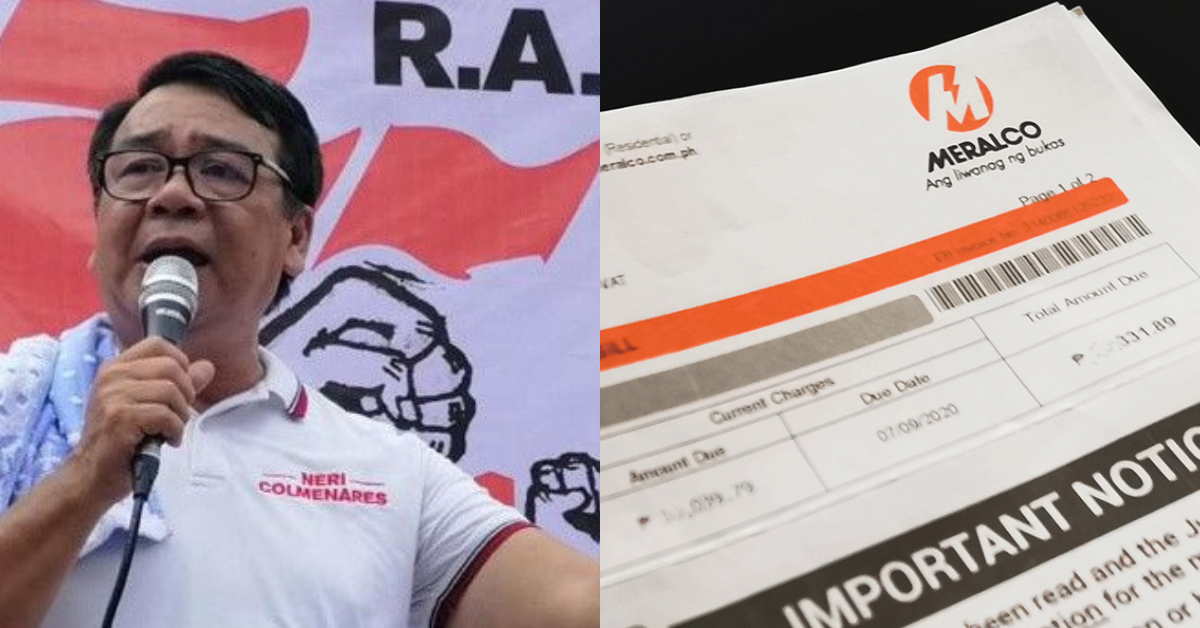
Rates in Flux Consumers in Metro Manila and nearby provinces should brace for another possible adjustment in their electricity bills next month, as Meralco signals a shift in rates following changes in the wholesale electricity spot market (WESM) and generation costs. In its latest advisory, Meralco said that generation charges—the biggest component of the monthly bill—remain volatile due to global fuel costs and spot market prices (Philstar, Inquirer). Independent power producers (IPPs) and power supply agreements (PSAs) also add pressure to September’s outlook. Why Rates Rise and Fall Meralco’s billing adjustments typically come from: Generation Costs (≈60% of bill): Based on coal, oil, and natural gas prices passed on from suppliers (ERC). Transmission Charges: Fees set by the National Grid Corporation of the Philippines (NGCP). Taxes & Other Charges: VAT, subsidies, and universal charges mandated by government policies. In August 2025, Meralco hiked rates by ₱0.20 per kWh, citing higher WESM prices and fuel costs from power producers (GMA News). If trends persist, September bills may edge upward again. The Consumer Impact For a household consuming 200 kWh monthly, even a ₱0.20 per kWh increase means an additional ₱40–₱50 per month (Inquirer). While modest on paper, the burden adds to the strain of rising food, fuel, and transport costs. Small businesses and low-income households feel the pinch most, since electricity is a non-negotiable expense. Government and Industry Moves The Energy Regulatory Commission (ERC) says it is closely reviewing rate-setting mechanisms to ensure consumers are protected from excessive pass-through charges (ERC). Meanwhile, the Department of Energy (DOE) argues that accelerating renewable energy integration—such as the thousands of solar, wind, and battery storage projects lined up in 2025—will help reduce reliance on imported fuel in the long term (Daily Guardian). Consumer groups like the Power for People Coalition (P4P) are urging greater transparency in Meralco’s billing breakdowns and stronger government support for energy efficiency programs (Philstar). Looking Ahead Short-term relief remains uncertain. With oil and coal prices still elevated globally, Filipinos will likely face continued monthly swings in power bills. But in the bigger picture, the rollout of renewable energy projects and grid modernization could bring stability within the next decade. For now, households must monitor advisories closely—because each peso per kilowatt-hour counts.

Fuel Costs Soar Again: How End-August Oil Price Hikes Are Hitting Filipino Households

Rising at the Pumps For the second straight week, motorists are greeted with higher pump prices as oil firms announced increases effective August 26, 2025. Gasoline climbed by ₱0.70 per liter, diesel by ₱0.50 per liter, and kerosene by ₱0.30 per liter. This latest adjustment brings year-to-date hikes to ₱10.20/L for gasoline and ₱12.10/L for diesel, according to data from the Department of Energy (DOE). Industry watchers point to global crude supply concerns, OPEC+ output cuts, and geopolitical tensions in the Middle East as the main culprits behind the surge (PhilStar, GMA News). Ripple Effects Across Daily Life The impact of higher fuel costs is not limited to motorists. Jeepney and bus operators, already squeezed by high maintenance costs, are warning of possible fare hike petitions if prices persist. Trucking groups also note that the added burden on logistics may eventually push food and commodity prices higher—further fueling inflationary pressures. For households, this means higher costs of living: Transport: Daily commuters face the threat of rising fares. Food Prices: Supply chain costs may push up the prices of rice, vegetables, and meat. Electricity Bills: Oil-fired power plants, though fewer in number, may still pass costs onto consumers. Economists warn that the latest price uptick could strain household budgets, especially for lower-income families who spend a disproportionate share on transport and food. Government Response Malacañang and the Department of Energy say they are monitoring developments closely. Energy Secretary Raphael Lotilla has called on fuel firms to maintain transparency in pricing, while transport regulators are urging moderation in fare hike petitions. Meanwhile, proposals for a fuel subsidy program for jeepney and tricycle drivers are being revived, though details on funding remain unclear. Bangko Sentral ng Pilipinas (BSP) Governor Eli Remolona also noted that persistent fuel hikes could complicate efforts to stabilize inflation, which has been trending above government targets for much of 2025. Coping Strategies for Households Consumer groups suggest several ways for households to cushion the blow: Shift to ride-sharing or carpooling to save on daily commute costs. Budget adjustments—prioritizing essential expenses while deferring discretionary purchases. Monitoring price advisories to refuel strategically during rollbacks. On a broader level, analysts emphasize that the country’s heavy dependence on imported oil highlights the urgency of accelerating renewable energy projects and expanding mass transport systems. The Bigger Picture The latest fuel price hikes serve as a reminder of the Philippines’ vulnerability to global oil market shocks. While renewable energy and mass transit improvements offer long-term relief, Filipino households continue to bear the brunt of short-term volatility—feeling the pinch in their wallets every time prices climb at the pump.