
Philippines Moves Toward 10-GW Power Capacity Target by 2028 Amid Renewable Push

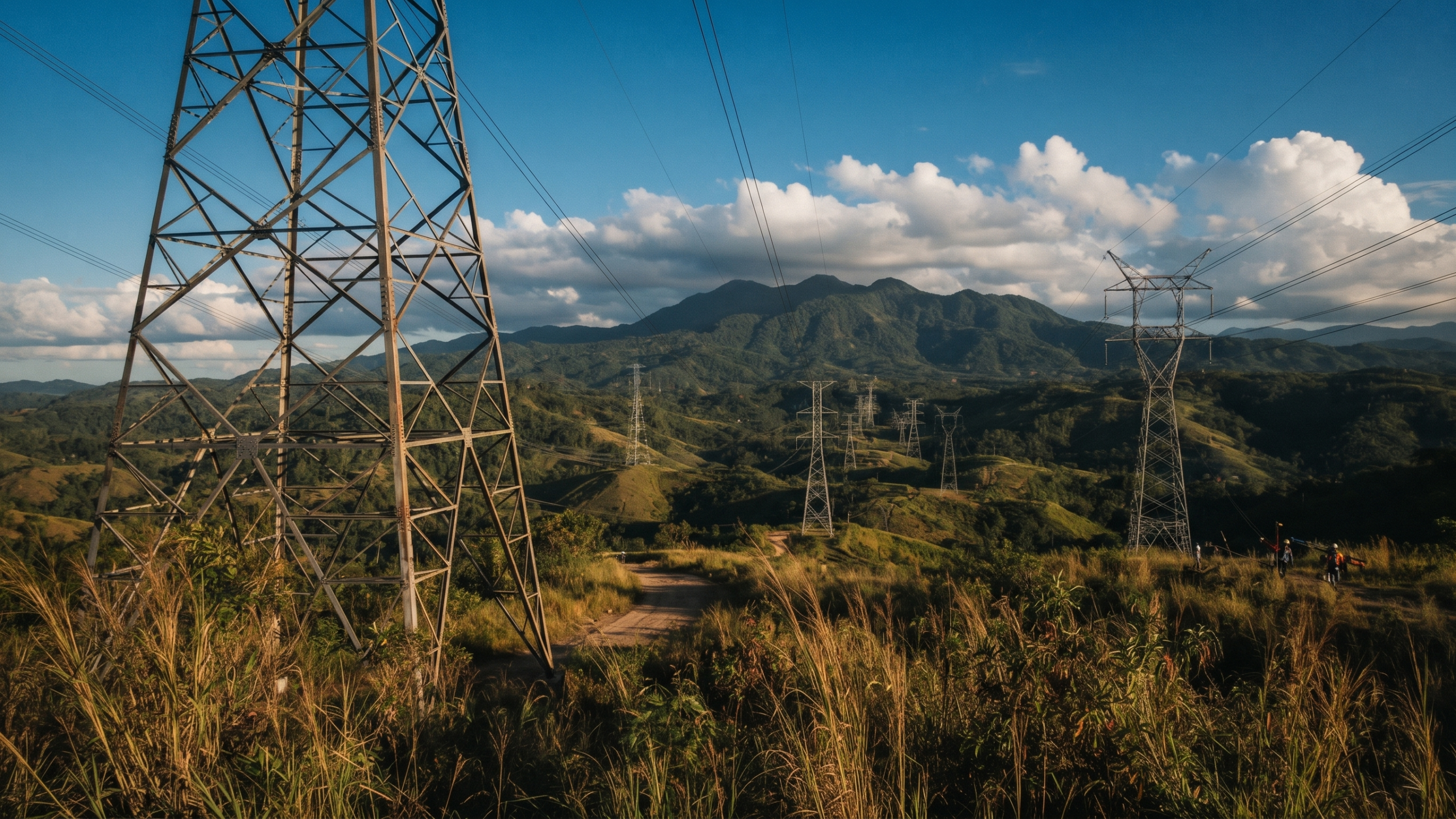
DOE Reports 4,167 MW Completed Toward 2028 Capacity Goal
The Philippines remains on course to add 10 gigawatts of new power generation capacity by 2028, with year-end completions projected to pass 6.5 gigawatts, according to Department of Energy officials. During a media briefing, DOE Undersecretary Mario Marasigan reported that private-sector investments have already delivered 60 operating power assets totaling 4,167 megawatts since the prior year, contributing toward President Ferdinand Marcos Jr.’s stated goal of bringing 200 power projects online before his term ends. Completed facilities include 14 battery energy storage systems that store surplus electricity and dispatch it during peak demand periods.
Year-End Completions Projected to Reach 6,587 MW Across Luzon, Visayas, and Mindanao
Developers expect additional solar, hydroelectric, and biomass facilities to come online by December, bringing projected new capacity to 6,587 megawatts by year’s end. Regional distribution shows the bulk concentrated in Luzon at 5,341 megawatts, alongside 733 megawatts in the Visayas and 513 megawatts in Mindanao. DOE Secretary Sharon Garin noted that expanding non-oil-dependent renewable energy has gained added urgency following Middle East conflict-driven oil price spikes, supporting efforts to manage El Niño conditions, peak summer electricity demand, and longer-term grid requirements.
Renewable Expansion Supports 2030 Energy Mix Strategy and Grid Resilience
Reaching the 10,000-megawatt milestone over the coming years would advance the government’s broader energy transition strategy, which seeks to raise renewables from 25 percent to 35 percent of the country’s power generation mix by 2030. While officials expressed confidence in meeting the overall capacity goal, the rollout still requires bringing dozens of remaining projects across Luzon, the Visayas, and Mindanao into operation. Greater renewable and storage capacity could help cushion the Philippine grid against imported fuel volatility and seasonal demand surges, though execution across the remaining pipeline remains central to the timeline.