
Philippine Fuel Prices Poised for Second Consecutive Big-Time Hike

The Philippine energy and infrastructure landscape marked significant momentum this week as key sector updates emerged from regulatory authorities and industry stakeholders. According to reports from **GMA News Online**, the latest developments underscore ongoing efforts to balance immediate consumer pricing realities with long-term grid sustainability and energy security.
Key Industry Developments and Market Context
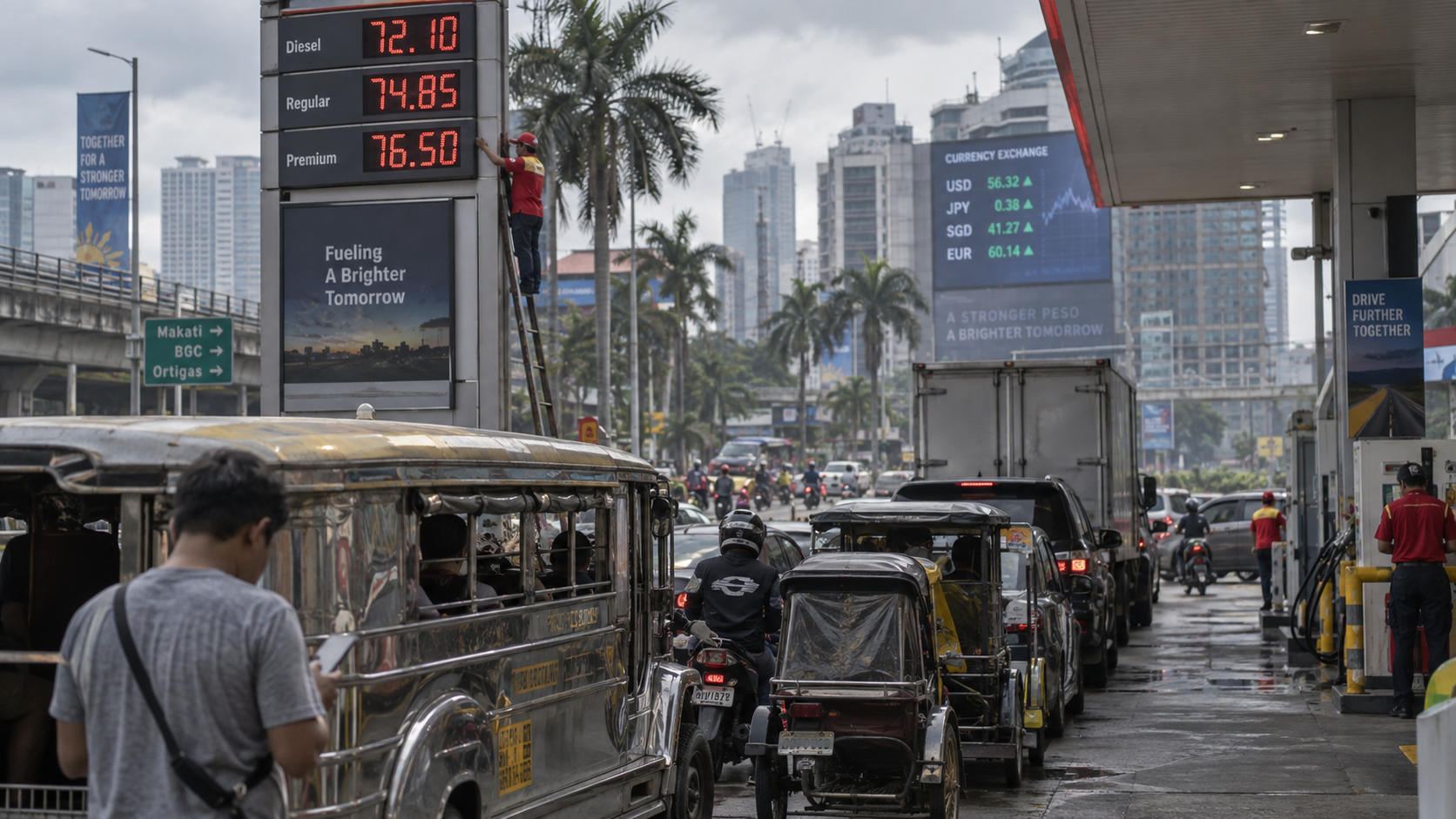
Philippine motorists are facing another round of steep fuel pump price hikes for the week of September 15, with gasoline projected to surge by up to ₱6.00 per liter and diesel by up to ₱5.00 per liter. The Department of Energy and industry analysts attribute the sharp upward adjustments to escalating geopolitical conflicts in the Middle East threatening regional energy flows, alongside the continued depreciation of the Philippine peso against the US dollar. The impending increases follow heavy hikes implemented just last week, adding mounting pressure on public transport operators and consumer logistics across the country. Data monitored across the sector highlights pivotal operational milestones, reflecting the administration’s strategic directives under the Department of Energy (DOE) and the Energy Regulatory Commission (ERC).
Notable data points reported include: – **Gasoline prices are projected to rise by ₱5.00 to ₱6.00 per liter, while diesel is estimated to increase by ₱4.00 to ₱5.00 per liter.** – **The adjustment follows last week’s price increases of up to ₱4.70/L for gasoline, ₱5.20/L for diesel, and ₱5.60/L for kerosene.** – **Key drivers include attacks on Middle East energy transit infrastructure and the Philippine peso weakening to a record low of ₱62.68 against the US dollar.**
Consumer and Economic Outlook
Industry analysts emphasize that maintaining operational transparency and regulatory agility will be decisive for Filipino households and commercial enterprises. As the Philippines continues to expand its power transmission links, renewable energy portfolio, and indigenous fuel reserves, stakeholders remain focused on ensuring stable, affordable, and sustainable power for the national economy.