
ERC Seeks VAT Scrap on System Loss to Save Users ₱6B

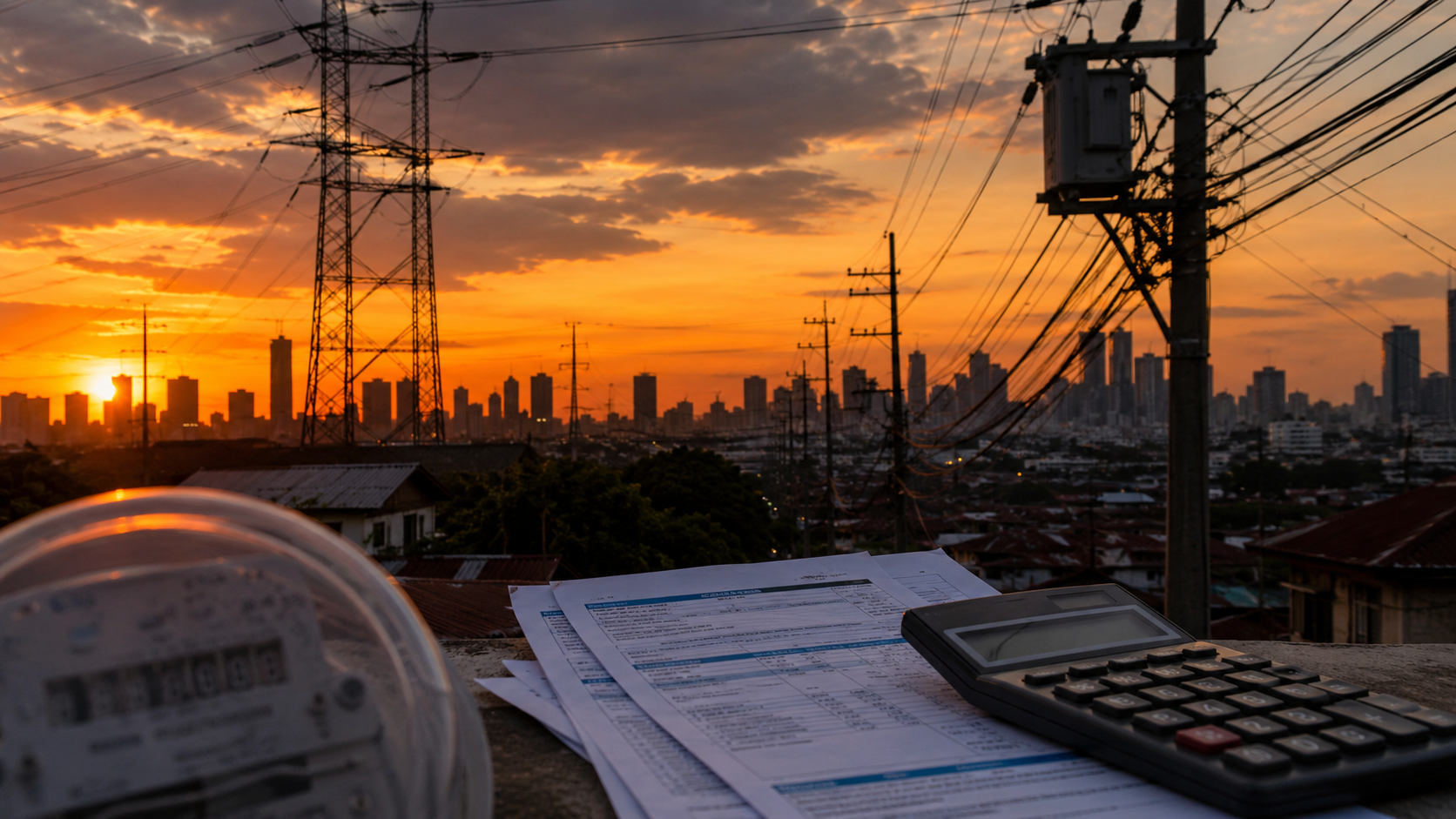
The Energy Regulatory Commission (ERC) is moving to scrap the 12% value-added tax (VAT) levied on system loss charges across electricity distribution utilities, a regulatory initiative projected to deliver approximately ₱6 billion in annual savings to Filipino consumers nationwide.
The proposed tax relief targets a structural component of retail electricity bills that has long drawn scrutiny from consumer advocacy groups. Under current billing structures, system loss charges—which account for energy dissipated during transmission and distribution—make up roughly 5% to 6% of a typical household power bill. For an average residential customer consuming 200 kilowatt-hours (kWh) within the Manila Electric Co. (Meralco) franchise area, this line item translates to nearly ₱149 each month.
Unpacking the Pass-Through Burden
Energy regulators emphasized that system loss collections do not contribute to the profit margins or operating revenues of distribution utilities. Instead, these charges function strictly as pass-through recoveries designed to account for technical dissipation across lines and substations, alongside non-technical losses.
Because these charges reflect lost energy rather than value-added utility services, taxing the recovery mechanism compounds retail power costs without providing an operational incentive. Eliminating the 12% VAT on this specific component would provide immediate, structural tariff relief without impairing the financial stability or capital expenditure plans of power distribution utilities.
Network Efficiency and Regulatory Benchmarks
Distribution utilities in the Philippines operate under stringent system loss performance standards mandated by the ERC. Under current regulatory guidelines, distribution entities are subject to a performance cap of 6.5%, preventing them from passing excessive network inefficiencies onto end-users.
Market data indicates that private utilities have maintained compliance with these regulatory thresholds. Meralco’s system loss rate currently registers at approximately 5%, outperforming the national regulatory benchmark through continued investments in grid modernization, automated metering, and substation upgrades. Nevertheless, the VAT imposed on this unavoidable technical baseline continues to elevate final retail electricity rates.
Path to Implementation and Market Outlook
Implementing the proposed tax adjustment will necessitate formal coordination with fiscal managers, including the Department of Finance (DOF) and the Bureau of Internal Revenue (BIR). Regulators and policy advocates are also exploring legislative avenues to institutionalize the VAT exemption through targeted amendments to the country’s tax framework.
If enacted, the reform will directly reduce monthly billing statements for millions of captive electricity consumers across both private distribution utilities and electric cooperatives. As high energy costs remain a persistent headwind for household budgets and industrial competitiveness, removing fiscal distortions on non-delivered power marks a pragmatic step toward establishing more transparent, consumer-centric electricity tariffs in the Philippines.