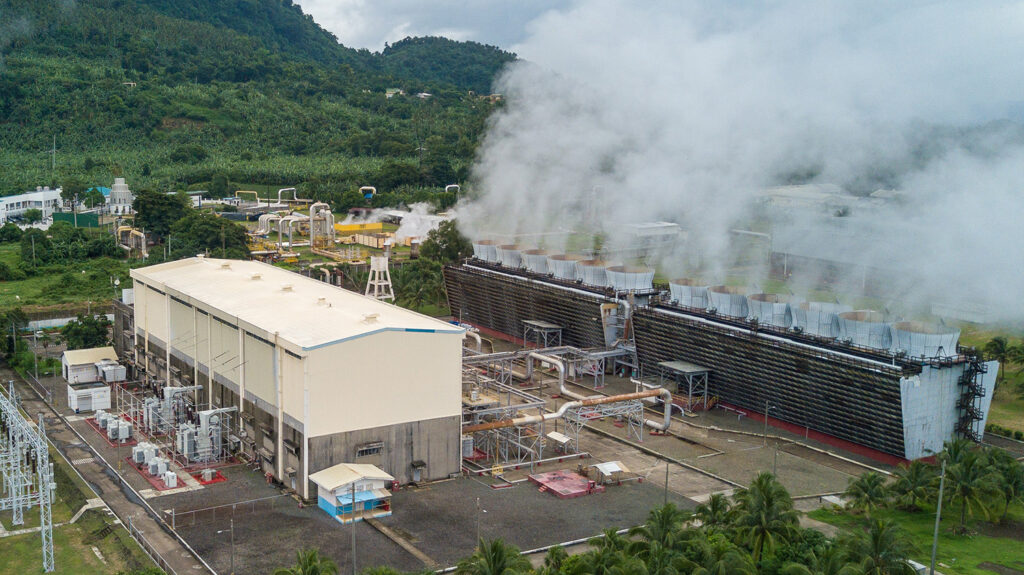
As the Philippines gears up for its 2026 national expenditure program, the energy sector finds itself at the crossroads of competing pressures: sustaining affordability and energy access, reforming deeply-rooted subsidy regimes, and accelerating the clean-energy transition. The budget cycle ahead will reveal how far the government is willing — and able — to walk the tightrope between social imperatives and fiscal/transition realities.
Subsidies & Legacy Costs
While the Philippines does not have the massive direct fossil-fuel subsidy burden of some oil-exporting nations, there are significant subsidy and cost-pass-through issues in the energy sector. Electricity tariffs in the Philippines are among the highest in Southeast Asia, partly because of the structure of the market and the cost of imported fuels. Reuters+1
In this environment, decisions around subsidies (for example, for rural electrification, lifeline consumers, and fossil-fuel use) become politically sensitive. Any move to scale back subsidies or raise tariffs risks immediate backlash from consumers or industry. But maintaining current subsidy/reference-cost structures may hamper clean-energy deployment and fiscal space for reform.
Reform Pressures Rising
The Department of Energy (DOE) has signalled a push for reforms in key legislation: amendments to the Electric Power Industry Reform Act of 2001 (EPIRA) to enhance regulatory oversight and the Downstream Oil Industry Deregulation Act of 1998 (DOI-DA) to strengthen fair trade practices and responsiveness during emergencies. BusinessWorld Online+1
Also, the Philippines is set to borrow debt (via the World Bank) to support clean-energy and electricity market reforms — including an USD 800 million loan expected in early 2026. SolarQuarter All these signal reform momentum, but the big test is translating legislative and financing commitments into operational change.
2026 Budget: What’s on the Table
The proposed FY 2026 national budget shows several telling indicators for the energy sector:
-
The DOE is seeking a budget of PHP 3.8 billion for 2026 — about 24.4 % higher than its current funding. Roughly 64 % (~PHP 2.4 billion) will go to major programmes like capital outlays, staffing, and operations; about 36 % (~PHP 1.4 billion) is earmarked for the Nuclear Energy Development Program, promotion of energy efficiency and conservation, alternative fuels for transport, and total electrification projects. BusinessWorld Online
-
The “Dimensions” publication shows that about PHP 3 billion is allocated to expand renewable energy systems, scale up energy efficiency & conservation, and related initiatives. Congress.gov.ph
-
The technical notes of the budget highlight that energy-sector reforms must align with broader fiscal discipline and sustainable expenditure. Department of Budget and Management
From these figures, a few observations arise:
-
The relatively modest budget increase suggests caution: the DOE’s budget is growing but remains small relative to the overall national budget.
-
Major commitment to nuclear/efficiency suggests diversification of the energy transition agenda — but it also raises questions about timing, cost, and social acceptability.
-
Ensuring subsidy reform, tariff rationalisation, and private-sector participation will be crucial if the budget allocations are to be effective.
Implications for Stakeholders
-
Consumers & Households: Any shift from subsidies or tariff adjustment must be handled carefully. Higher electricity/fuel bills could erode public support and raise equity issues.
-
Energy-Intensive Industries: Firms will watch for regulatory reform and tariff certainty. Heavy-industry competitiveness may hinge on stable energy costs.
-
Clean-Energy Investors: The budget increases and financing support (e.g., from the World Bank loan) signal opportunities — but policy clarity and reform execution remain risk factors.
-
Government / Fiscal Managers: The 2026 budget offers a litmus test for aligning social-policy goals (access, affordability) with transition and fiscal sustainability.
-
Reform Advocates: The window for meaningful reform (legislative amendments, market restructuring, subsidy rationalisation) is open — but public communication, stakeholder alignment and sequencing matter.
Watch-Points for 2026
-
Tariff & subsidy reform: Will there be clearer policy on subsidy phasing, targeted support (for rural/low-income), and tariff cost-recovery?
-
Renewables & diversification: Will the budget support swiftly scaling up renewables, energy storage, efficiency (given Philippines’ heavy fossil-fuel import dependence)?
-
Regulatory reform & legislation: How far will amendment of EPIRA, DOI-DA and downstream regulation proceed in 2026, and how will they affect market dynamics?
-
Electrification & rural access: Will budget allocations translate into improved access, especially for remote islands/regions?
-
Financing & investment mobilisation: The World Bank loan and other financing instruments will need to unlock private capital — will they succeed?
Final Word
For the Philippines, the 2026 energy budget is more than a sum of line items. It is a reflection of the balancing act between legacy subsidy burdens, social-affordability imperatives, and the pressing need to transition to a more resilient, diversified, and clean energy system. The government’s willingness to reform, clarify regulatory regime, and mobilise investment will determine whether the budget is simply incremental or transformational.