The Budget Battle Over Energy Subsidies: Who Gains, Who Loses?
Introduction
Energy subsidies are one of the most contentious lines in the Philippine budget. On one hand, they can provide relief to vulnerable sectors during times of high fuel and power prices. On the other, they often weigh heavily on government finances and may benefit higher-income groups disproportionately. As the country balances inflation, energy security, and transition to cleaner sources, the subsidy debate is heating up: who gets helped, and who ends up bearing the cost?
What Are the Key Subsidies Under Debate
Here are some of the main subsidy mechanisms in play (or being proposed) and how they work:
-
Fuel subsidies for transport (public utility vehicles, tricycles, ride-hailers, delivery services) and agriculture (farmers and fisherfolk). These are meant to cushion the blow when global oil prices surge. (powerphilippines.com)
-
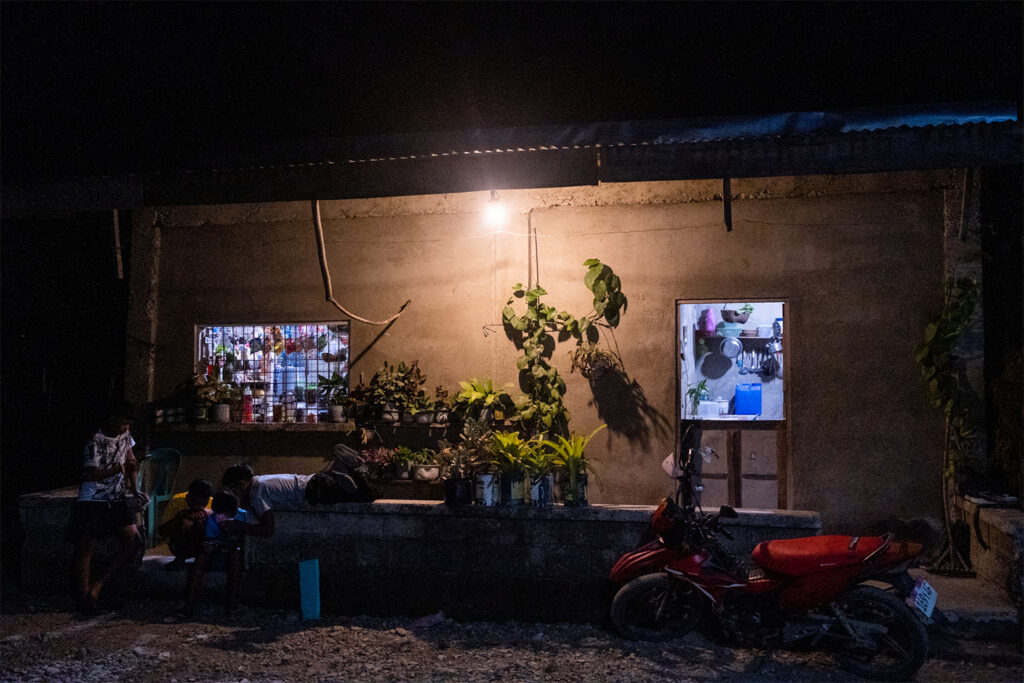
Electricity subsidies / support to off-grid or far-flung areas: Through the Universal Charge for Missionary Electrification (UCME), which helps subsidize electricity costs in areas disconnected from the main grid. (legacy.senate.gov.ph)
-
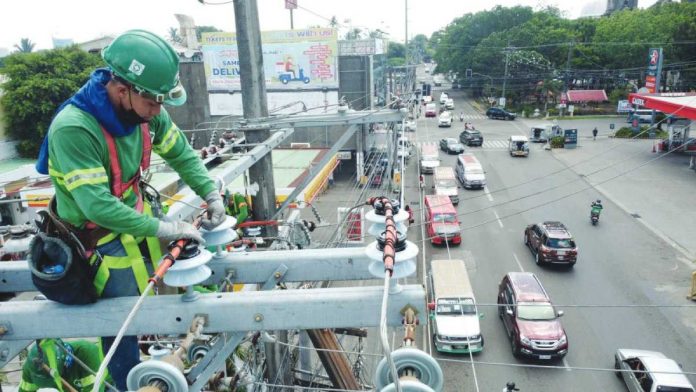
Rural electrification programs like “sitio electrification,” funding for the National Electrification Administration, and other DOE-led initiatives. (powerphilippines.com)
-
Subsidies for state-owned corporations (GOCCs): The government gives budget support to energy-related GOCCs to cover costs beyond what they can earn. (philstar.com)
Who Gains from Energy Subsidies
Vulnerable households and rural communities often benefit the most, especially those in off-grid areas who face higher electricity costs. Fuel subsidies also reduce transport and farming expenses, cushioning the impact of global price spikes.
PUV drivers, farmers, and fisherfolk gain from direct fuel assistance to keep their livelihoods viable during price surges. (dbm.gov.ph)
Off-grid and island communities depend on UCME support to keep electricity costs manageable. Without these subsidies, many would pay far higher rates.
Agriculture and fisheries producers benefit from lower fuel costs, helping maintain food production and transport in times of volatility.
Who Loses or Gets Left Behind
Higher-income and urban consumers may indirectly gain from universal subsidies, even though they don’t need them. NEDA has warned that broad energy subsidies often benefit wealthier households more. (gmanetwork.com)
Taxpayers and public finances carry the burden. More subsidies mean less funding for health, education, or renewable energy. When oil subsidies rise, fiscal pressure builds. (powerphilippines.com)
State-owned utilities can struggle if subsidies are cut or delayed, forcing them to absorb costs or reduce services. Subsidies to GOCCs dropped significantly this year, raising concerns over operational sustainability. (philstar.com)
Renewable energy programs risk underfunding when fossil-fuel subsidies dominate. Budget constraints often limit funding for green initiatives. (pna.gov.ph)
Remote areas may also lose when subsidy allocation is uneven or delayed, leaving them with high generation costs despite national programs. (legacy.senate.gov.ph)
Recent Moves and Budget Trends
-
The DOE requested a 24.4% increase in its 2026 budget to expand electrification and clean energy programs. (powerphilippines.com)
-
Subsidies for GOCCs have been scaled back, down over 10% year-on-year. (mb.com.ph)
-
The UCME fund ballooned from ₱7.34 billion in 2015 to ₱24.62 billion in 2024, as more off-grid areas received support. (legacy.senate.gov.ph)
-
The government remains cautious about general fuel or power subsidies, citing fiscal sustainability concerns. (gmanetwork.com)
The Trade-offs
Targeting vs universality: Broad subsidies are politically easy but economically costly. Targeted aid is more efficient but harder to administer.
Short-term relief vs long-term transition: Should funds go to immediate relief or to renewable energy projects that reduce dependency on imports?
Fiscal sustainability: Expanding subsidies risks ballooning deficits and crowding out other social spending.
Efficiency and transparency: Misuse or misallocation can waste resources and weaken public trust.
Who Should Win and Policy Recommendations
-
Low-income households and remote communities should remain top priority in energy subsidy programs.
-
Essential sectors like transport, farming, and fishing need timely, well-targeted assistance during fuel price spikes.
-
Renewables and electrification programs deserve stronger budgetary backing to ensure long-term energy resilience.
-
Efficiency and transparency in programs like UCME must improve to ensure subsidies match actual needs.
-
Gradual, conditional reforms should protect the poor as subsidies for fossil fuels are phased down.
Conclusion
Energy subsidies remain a balancing act between social welfare, fiscal prudence, and climate responsibility. Properly designed, they can shield the vulnerable and stabilize prices. Poorly targeted, they drain budgets and delay progress toward clean energy.
In this ongoing budget battle, the winners should be those benefiting from smart, targeted, and transparent subsidy systems—and the losers, those clinging to wasteful policies that burden the public and stall the transition to a sustainable energy future.
2026 national budget can strike that balance remains to be seen, but one thing is clear: every allocation choice made today will shape the Philippines’ energy future for decades to come.
Sources: