Introduction
Global tensions and conflicts are once again placing upward pressure on oil prices, creating ripple effects that reach consumers, governments, and businesses—especially in countries heavily reliant on imports. For the Philippines, a net oil importer, any shock in international markets is felt acutely at the pump, through rising transport costs, and in inflation.
This article examines the key conflict drivers behind recent oil price movements, how they interact with supply and demand dynamics, and what they mean for the Philippine energy landscape.
1. Conflict Hotspots and Supply Risks
Middle East Tensions & Strait of Hormuz Threats
The Middle East continues to be the epicenter of geopolitical risk for oil markets. In 2025, Iran has issued threats to close or disrupt transit through the Strait of Hormuz, a crucial chokepoint through which an estimated 18–20% of the world’s oil supply passes. Wikipedia+1 Any blockage or diversion of shipments raises the risk premium on oil, spooking traders and driving up futures prices in anticipation of supply shortfalls.
Moreover, escalations between Israel and Iran, along with other regional flareups, heighten fears of spillovers into nearby oil-exporting nations, which could force shut-ins or prompt rash production decisions.
Russia-Ukraine and Sanctions Spillovers
The Russia–Ukraine war continues to cast a long shadow over global energy flows. Damaged infrastructure in Ukraine has constrained Russian output capacity and raised the cost of maintaining supply routes. Additional Western sanctions on Russian energy and associated sectors can force market shifts and create alternative supply bottlenecks.
Furthermore, secondary effects—e.g., disrupting shipping, insurance costs, or redirecting tanker routes—can amplify costs even for non-Russian supply streams.
Broader Global Unrest
Beyond the more visible conflicts, localized disruptions (e.g. sabotage, political instability in oil-producing regions, or proxy skirmishes) contribute to volatility. Because the oil market is tight and sensitive, even modest uncertainties tend to be priced in aggressively.
2. Supply, Demand & Market Dynamics
Oversupply vs. Undersupply Tensions
While conflict contributes upward pressure to prices, global fundamentals are more nuanced. The International Energy Agency (IEA) projects that supply will rise substantially in 2025 and 2026, driven by increases from OPEC+ members and non-OPEC producers like the U.S. and Brazil. Reuters+1
This expansion risks creating a surplus—potentially up to 3–4 million barrels per day—that could check price gains if demand softens. Reuters+1
In simpler terms: conflicts push prices up, but if supply growth outpaces demand, the effect may be capped or reversed.
Demand Risks & Economic Slowdowns
Conflict-driven inflation and rising interest rates can cool demand, especially in major consumer markets. Economic uncertainty in China, Europe, or the U.S. can weaken industrial and transport fuel usage.
Additionally, energy transitions (adoption of EVs, renewables) incrementally reduce long-term sensitivity to oil price shocks. Though not a short-term buffer, this trend adds a structural headwind.
Reaction by Producers & OPEC+
Producer groups like OPEC+ often react to price volatility by adjusting quotas or output. Recently, OPEC+ agreed to modest production increases, signaling confidence in demand and aiming to regain market share from high-cost producers. The Wall Street Journal+2Reuters+2
However, too aggressive a ramp-up risks oversupply—and conflict-induced premium may make coordination tricky.
3. Transmission to the Philippines: Local Risk, Local Impact
Fuel Price Adjustments at the Pump
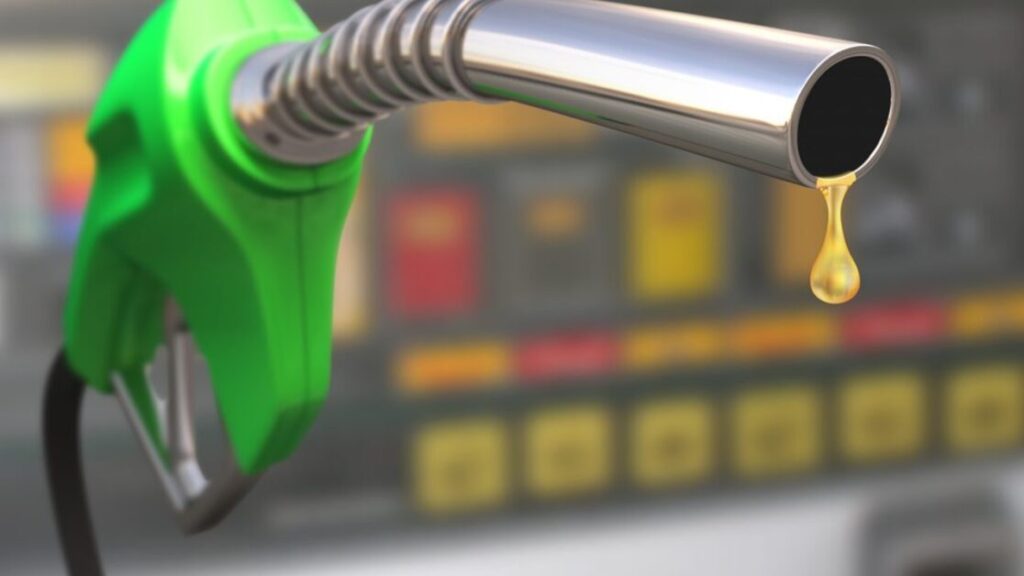
In the Philippine context, increases in global oil benchmarks often translate directly into higher local pump prices of gasoline, diesel, and kerosene (via the MOPS / Mean of Platts Singapore pricing). Philippine News Agency+2Philippine News Agency+2
For example, in mid-October 2025, gasoline prices rose while kerosene prices dropped, reflecting volatility in crude and exchange rate moves. ABS-CBN
Inflation and Secondary Pressures
Given that energy is a key input in transport, agriculture, and logistics, a sustained oil price rise tends to drive up costs across the board. In the Philippines, analysts estimate that a 10% jump in oil prices could add roughly 0.3–0.4 percentage points to headline inflation. BusinessWorld
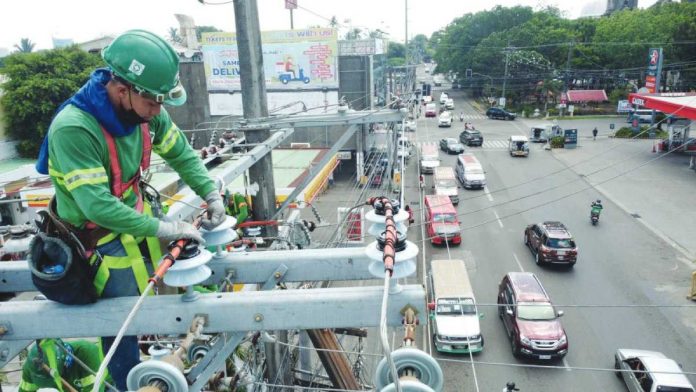
Other knock-on effects include rising electricity generation costs (if fuel oil is used), higher public transport fares, and increased costs of goods, putting pressure on household budgets—especially among vulnerable sectors.
Fiscal & Policy Vulnerabilities
Import dependence means the Philippines is exposed to foreign exchange fluctuations, which can amplify price pressures if the peso weakens against the dollar.
Meanwhile, the government faces difficult tradeoffs: whether to subsidize fuel, adjust taxes, or impose mitigation measures. Past statements indicate authorities view some Middle East conflict impacts as “minimal” for now—but warn that longer, more severe disruptions could escalate risks. BusinessWorld
4. Scenarios & What to Watch
| Scenario | Likely Outcome | Key Indicators to Monitor |
|---|---|---|
| Conflict Escalation (e.g., Strait of Hormuz closure) | Sharp price spikes, risk premium dominates market | Mid-East developments; shipping lane incidents; futures curve steepening |
| Supply Surge / Demand Weakness | Prices stabilize or even decline, conflict premium offset | Inventory levels, IEA & OPEC supply forecasts; demand data from China, U.S., EU |
| Stalemate / Moderate Instability | Elevated baseline with volatility | Political statements; negotiations, ceasefire prospects |
| Policy Intervention | Governments impose subsidies, tariffs, or strategic reserves | Local energy policy moves; tax/fuel subsidies; currency policy |
To stay ahead of the curve, EnergyBuzz should monitor things like:
-
Weekly U.S. EIA / API inventory reports
-
OPEC+ meetings and communiqués
-
Shipping disruptions near choke points
-
Macroeconomic signals from major consumers
-
Philippine DOE statements on fuel pricing
5. Conclusion & Outlook
Global conflicts are once again pushing oil prices upward by injecting risk premiums into the market. However, these upward forces are constrained by supply expansions, demand uncertainties, and policy responses.
For the Philippines, the stakes are real. Energy costs feed into everyday living expenses and inflation trends, forcing the government and consumers to navigate a volatile external environment. While a perfect storm of conflict and weak supply could lead to sustained price surges, more moderate outcomes are plausible too—if global production remains robust and demand softens.
The balance between risk and fundamentals ultimately determines whether “price pressure” becomes a sustained squeeze or a temporary shock.