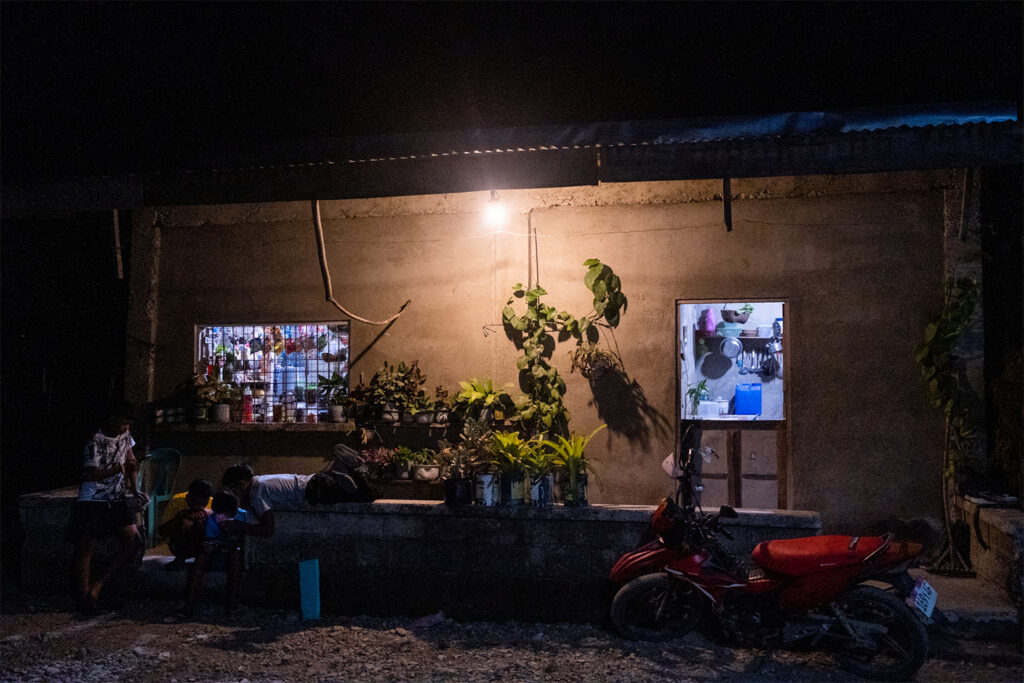
Despite years of investment and policy reforms, millions of Filipinos continue to live without reliable access to electricity — a challenge that underscores the country’s deepening energy inequality as it races toward its 2030 electrification target.
The Scale of Energy Poverty
According to a 2024 study by the Philippine Institute for Development Studies (PIDS), approximately 16 million Filipinos still lack access to electricity, representing around 14% of the population. While the Department of Energy (DOE) reports a national electrification rate of 90.4%, it acknowledges that “many households in off-grid and remote areas still experience intermittent or limited electricity service.”
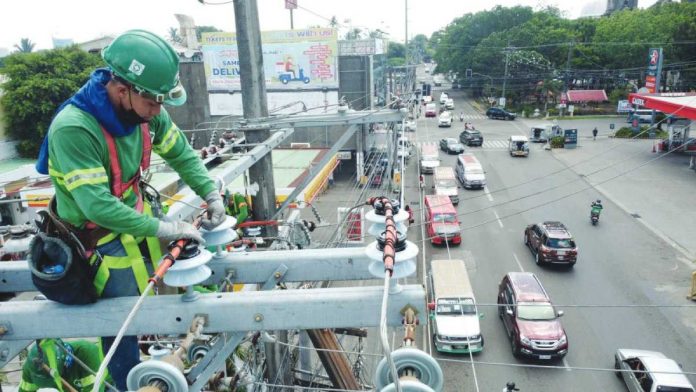
The DOE’s Total Electrification Program, launched in 2019, aims to close this gap by extending grid connections and developing off-grid renewable systems. However, in its 2024 annual update, the agency admitted that “electrification of geographically isolated and disadvantaged areas (GIDAs) remains a major challenge due to logistical constraints, fuel transport costs, and disaster vulnerability.”
High Costs and Uneven Access
The Philippines continues to record one of the highest electricity rates in Southeast Asia, largely due to its dependence on imported fuels. In 2025, the International Energy Agency (IEA) cited the Philippines as a country where “household energy costs remain disproportionately high compared to regional peers, straining low-income families and small enterprises.”
PIDS Senior Research Fellow Dr. Josef Yap noted that “energy poverty in the Philippines is not only about physical access, but also about affordability and reliability,” calling for “a multidimensional measure of energy insecurity that includes cost burden, service quality, and household welfare.”
In its latest Sustainable Development Goal 7 (SDG7) country report, the Global SDG7 Hub estimated that the poorest 20% of Filipino households spend up to 20% of their monthly income on electricity and cooking fuel — far above the international energy affordability benchmark of 10%.
The Unequal Energy Map
Geographic inequality continues to define access. DOE data show that electrification rates are highest in Luzon (98%), but significantly lower in parts of Mindanao and small island provinces. In the Bangsamoro Autonomous Region in Muslim Mindanao (BARMM), energy access remains below 70%, according to the National Electrification Administration (NEA).
A 2023 NEA report identified Palawan, Basilan, and Eastern Samar among the provinces with the lowest power reliability, citing “insufficient generation capacity and dependence on diesel power plants.”
Health, Education, and Livelihood Impacts
The consequences go beyond inconvenience. A 2022 report by the Asian Development Bank (ADB) found that households without reliable power face “limited access to digital learning, refrigeration for health facilities, and income-generating equipment,” worsening poverty cycles in off-grid regions.
In a public statement, DOE Secretary Raphael Lotilla emphasized that “universal, affordable, and reliable electricity is essential to inclusive development,” noting that “the energy transition must not leave behind communities that have waited decades for stable power.”
Renewable Microgrids as a Solution
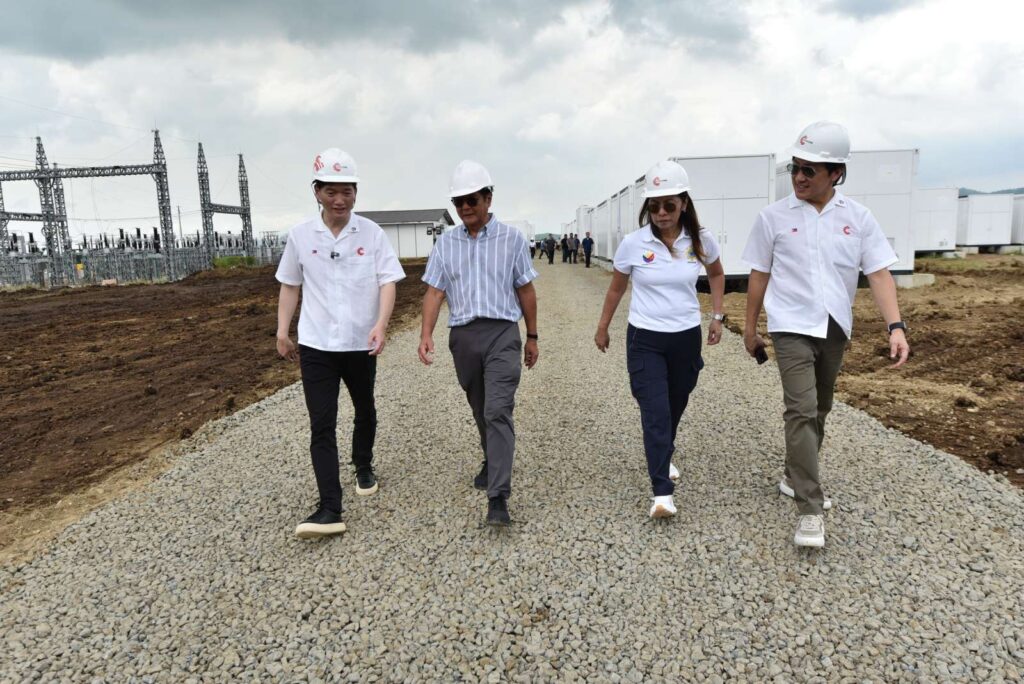
The DOE and private sector are increasingly turning to renewable microgrid systems to reach far-flung communities. Under the Microgrid Systems Service Provider (MGSP) Program, projects in Masbate, Occidental Mindoro, and Samar are already operational.
In 2024, the DOE reported that solar-hybrid microgrids in off-grid barangays had reduced household energy costs by up to 30% while providing 24-hour power for the first time. According to the agency, “off-grid renewable systems are the fastest, most cost-effective pathway to total electrification.”
Climate Reality Philippines, a non-governmental organization, echoed this view in its 2023 policy paper, stating that “localized renewable energy solutions can eliminate fuel transport costs, reduce carbon emissions, and provide communities with greater control over their energy systems.”
The Policy Challenge Ahead
While the government’s 2030 target remains in sight, experts warn that success will depend on addressing both affordability and quality. The PIDS has recommended reforms such as:
-
Expanding lifeline electricity subsidies for low-income consumers;
-
Modernizing electric cooperatives through funding and digitalization;
-
Integrating clean cooking and renewable microgrids into rural development plans.
In its 2025 briefing, PIDS concluded:
“The Philippines must redefine electrification not just as connection, but as the ability of every household to access sufficient, reliable, and affordable energy for a dignified life.”
The Bottom Line
Power access in the Philippines has improved, but the reality of energy insecurity persists — particularly for the poor, the rural, and the remote. As the nation pushes toward a renewable future, ensuring equitable access remains one of the most urgent and complex challenges of its energy transition.
Sources:
-
Philippine Institute for Development Studies (PIDS) – Energy Access Studies
-
International Energy Agency (IEA) – Southeast Asia Energy Outlook 2025
-
National Electrification Administration (NEA) – Electrification Updates
-
Asian Development Bank – Energy Access and Poverty Report 2022
-
Climate Reality Philippines – Renewable Energy Policy Brief 2023