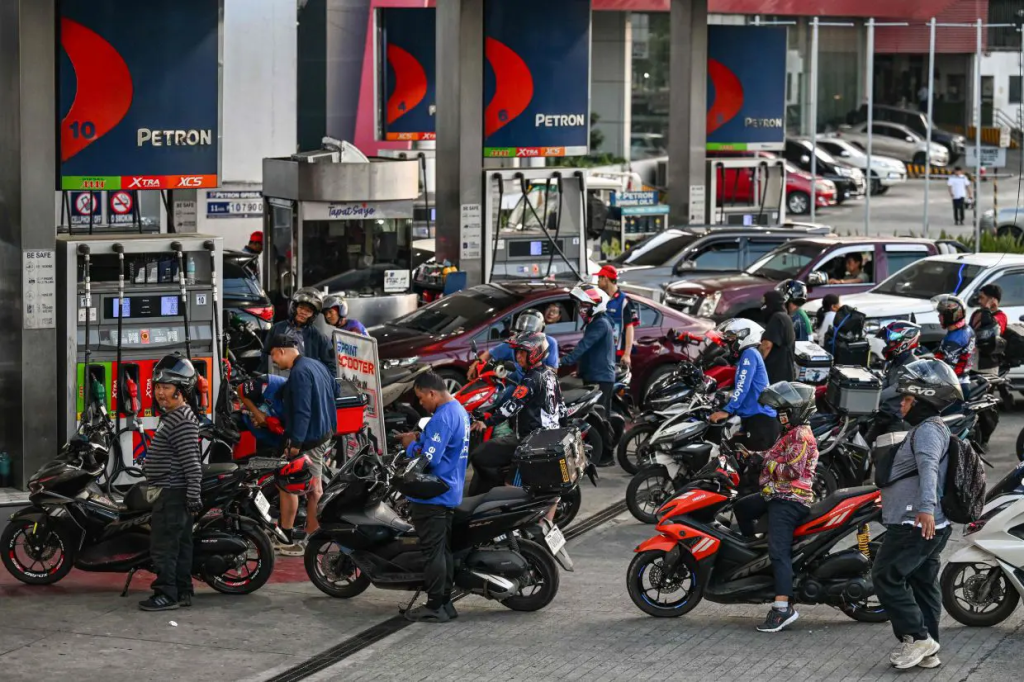
Filipino motorists felt another pinch at the pump this week. Effective July 7, 2026, oil companies raised pump prices again — gasoline by around ₱0.25 per liter, diesel by roughly ₱3.30 per liter, and kerosene by about ₱1.75 per liter, according to the Department of Energy’s weekly price monitoring. It’s a modest jump on its face, but it lands on top of a year that has already been brutal for anyone filling a tank.
A Year of Relentless Hikes
Do the math and the picture gets clearer: year-to-date, gasoline prices are up a net ₱45.02 per liter, diesel is up ₱31.56 per liter, and kerosene has climbed ₱28.72 per liter since the start of 2026. This latest round marks the 22nd gasoline price hike of the year and the 20th for diesel — an unusually high frequency even for a market used to weekly swings.
As of this week, national average pump prices hover around ₱78–79 per liter for unleaded gasoline and roughly ₱74 per liter for diesel in Metro Manila, with drivers in Visayas, Mindanao, and island provinces typically paying ₱5 to ₱25 more per liter due to added shipping and hauling costs.
There was a brief reprieve back in early June, when the DOE posted its biggest single-week rollback since the crisis peaked — ₱9.26 per liter off diesel and ₱4.76 off gasoline — ending a five-week gasoline hike streak. That relief didn’t last. Since late June, hikes have resumed as global conditions shifted again.
Why It Matters Beyond the Pump
Fuel costs ripple through the entire economy — transport fares, delivery charges, food prices, and manufacturing costs all track pump prices to some degree. The DOE and local government units have periodically rolled out cash assistance for public transport drivers and delivery riders during especially sharp hike streaks, a sign of how directly this affects everyday income for millions of Filipinos.
So what’s actually driving this latest run of increases? It isn’t domestic — the Philippines imports the bulk of its crude and refined fuel, so local pump prices are largely a reflection of what’s happening in global oil markets. We break down the international forces behind this specific hike — including the geopolitical trigger point — in our companion piece, “Why Are Oil Prices Rising Again? Middle East Tensions and the Philippine Fuel Market Explained.”
For Filipino drivers looking for ways to soften the blow, more are turning away from the pump entirely. We look at that shift — and whether it’s a realistic option for the average household — in “Beyond the Pump: How Filipino Drivers Are Turning to EVs and Hybrids Amid Fuel Price Hikes.”