
Comelec Implements Election Period Guidelines with Gun Ban and Checkpoints
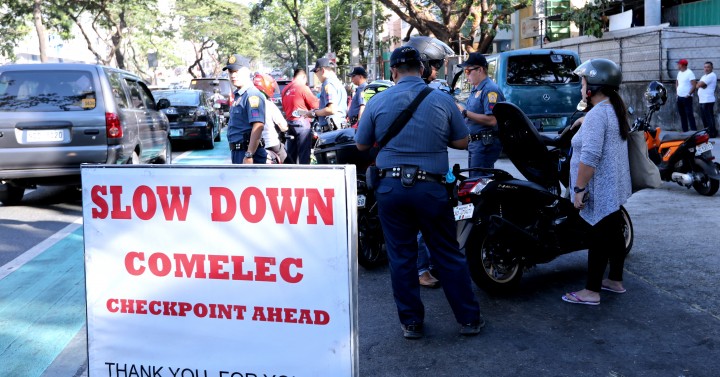
The 150-day election period for the May 12 polls officially started on Sunday, with the Commission on Elections (Comelec) assuming full control over all election-related matters. Among the implemented measures is a gun ban, requiring individuals to obtain written Comelec authorization to carry or transport firearms or other deadly weapons. The Philippine National Police (PNP), in coordination with the Comelec, has set up checkpoints nationwide. Comelec Chairman George Erwin Garcia emphasized that all firearm licenses and permits are suspended during this period. “The gun ban is a vital component of our efforts to maintain peace and order during the election period. We urge everyone to comply and to report any violations,” he said. Government officials can request security detail from the PNP and other agencies, but only a maximum of two bodyguards will be permitted, with their firearms also requiring Comelec-issued permits. Comelec Commissioner Aimee Ferolino, head of the Comelec Steering Committee, disclosed that 1,131 gun ban exemptions had been issued as of January 12. Prohibitions and Campaign Schedule Election period restrictions include: Relocation or establishment of new polling precincts. Transfer of civil service officers and employees without Comelec approval. Suspension of elective local officials without Comelec authorization. The campaign period for senators begins on February 11, while local and House of Representatives candidates can start on March 28. Campaigning is prohibited on Maundy Thursday (April 17) and Good Friday (April 18). Overseas Filipino voters will cast their votes either online or at designated Philippine embassies and consulates from April 30 to May 12. Local absentee voters will also vote within the same period. A liquor ban will be in effect from May 11 to May 12, with campaigning prohibited on election day and its eve. Positions at Stake The May 12 elections will fill 18,271 positions, including 12 senators, 254 House representatives, 63 party-list seats, and numerous local government posts. Additionally, 72 slots in the Bangsamoro Autonomous Region in Muslim Mindanao (BARMM) will also be contested. Enforcing the Gun Ban PNP Chief Gen. Rommel Francisco Marbil reported that four individuals were arrested in BARMM, Central Mindanao, Western Visayas, and Central Luzon for violating the gun ban. Marbil reassured the public that checkpoints will follow established protocols, ensuring respect for individual rights and privacy. Officers are limited to visual inspections and cannot demand passengers exit vehicles, open trunks, or perform body searches. The Comelec and PNP continue to stress the importance of adhering to these measures to ensure a peaceful and orderly election.
Mayor Vico Sotto: Reforming Pasig Through Integrity and Good Governance
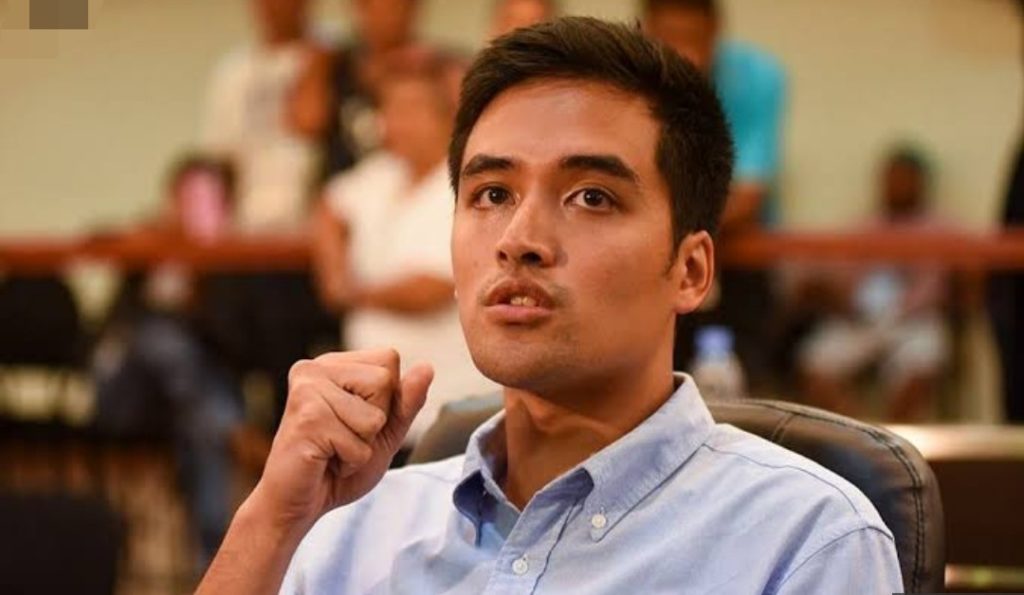
Pasig City Mayor Vico Sotto continues to champion transparency and institutional reform, focusing on long-term solutions to corruption and governance challenges. In an interview with The STAR’s “Truth on the Line,” Sotto discussed his administration’s strategies and accomplishments in reshaping Pasig’s governance. “Corruption is a problem of weak institutions and cultural acceptance,” Sotto said, emphasizing the importance of addressing structural flaws and changing entrenched practices. “For decades, certain practices have become ingrained and accepted. We’ve shown in Pasig that these can be challenged and changed,” he added, reflecting on the shift his administration has pursued since taking office. Sotto noted that the majority of public servants aspire to work with integrity but need leaders who can challenge wrongdoing and initiate reforms. He detailed how his administration dismantled entrenched corruption, including syndicates that had siphoned billions annually from public projects. “Around 20-30 percent – sometimes more – of project budgets were pocketed. By eliminating kickbacks and the ‘palakasan’ system, we’ve proven that change is possible,” he revealed. Central to Sotto’s leadership style is leading by example. “This moral ascendancy allows me to hold others accountable without hesitation,” he shared, adding that no public funds have ever been misused under his administration. To ensure reforms are sustained, Sotto introduced initiatives like “Ugnayan sa Pasig,” a freedom of information (FOI) and feedback system launched in his first 100 days as mayor. The program allows citizens to request information and share feedback, fostering greater transparency and public trust. “While many requests are complaints or feedback rather than formal FOI requests, these insights help us understand public sentiment and improve services,” he explained. Other reforms include the creation of a Procurement Management Office to ensure compliance with legal standards and the involvement of civil society groups in procurement activities. “It’s harder to do things legally and correctly, but we are training and equipping our employees to uphold these standards,” Sotto said. One of his administration’s proudest achievements is doubling the number of scholarship beneficiaries in Pasig while insulating government operations from political interference. “Removing politics from government work ensures continuity in service delivery, regardless of election cycles,” he stated. Looking ahead, Sotto plans to expand existing programs, including a senior pension initiative set to benefit more residents. “We’re now in expansion mode. These programs are the fruits of the reforms we’ve planted,” he said. Currently serving his second term, Sotto is focused on completing his ongoing projects and preparing for a possible third term. When asked about his political future, he remarked, “I want to focus on where I am now. After my term, I might explore other opportunities, but they’ll always be related to government or public service.” As for his legacy, Sotto hopes to be remembered as the mayor who laid the foundation for good governance in Pasig. “Good governance isn’t flashy, but it is the bedrock of progress. If you build the right systems and lead with integrity, everything else – whether scholarships, health services, or infrastructure – will follow,” he concluded.
Manila City Government Takes Action Against Negligent Garbage Collector During Holidays
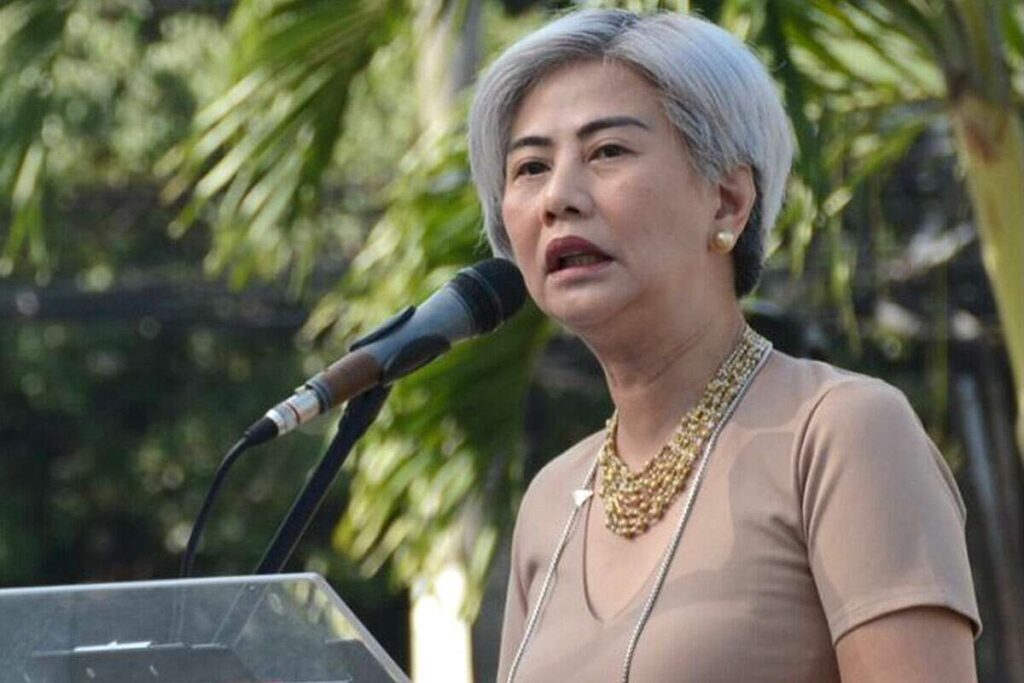
The city government of Manila has pledged to take action against the previous garbage collection contractor for failing to meet its obligations during the holiday season. Mayor Honey Lacuna criticized Leonel Waste Management Corp. for neglecting its responsibilities amidst a 400% increase in garbage production during the Christmas and New Year festivities. “Rest assured, I will not let this sabotage pass and those responsible will be held accountable,” she said in a statement. In response to the situation, Lacuna stated that MetroWaste and PhilEco Systems Corp. have stepped in to handle waste management, working continuously to ensure Manila’s streets are cleared of trash. “We will address the negligence of the previous garbage collector. Now, we have two contractors, MetroWaste and PhilEco, ensuring that the city is cleaned efficiently,” she said. The mayor also urged the public to report any uncollected garbage to the Department of Public Services or the Task Force Against Road Obstruction for immediate action.
“DOLE Releases 2025 Holiday and Special Day Wage Rules for Employers”
MANILA, Philippines — Employers were reminded by the Department of Labor and Employment (DOLE) on Thursday about the proper computation of wages for employees working on regular holidays, special non-working days, and special working days in 2025. The guidelines were issued under Labor Advisory No. 16, series of 2024, signed by Labor Secretary Bienvenido Laguasma. Context and Basis The advisory is based on Proclamation No. 727, Series of 2024, which declares the regular holidays and special non-working days for the upcoming year. “The Labor Advisory is pursuant to Proclamation No. 727, Series of 2024 declaring the regular holidays and special (non-working) days for the year 2025,” DOLE emphasized. Guidelines on Wage Computation The advisory provides the following rules to guide employers on wage payments, including adjustments for overtime and rest days: Regular Holiday Pay For employees who do not work: Workers are entitled to 100% of their daily wage if they report to work or are on leave with pay on the working day before the holiday. If the preceding day is a non-working day or rest day, the entitlement still applies as long as the employee worked or was on paid leave on the last working day. For employees who work on a regular holiday: Employees are paid 200% of their basic wage for hours worked (basic wage x 200%). For overtime work, an additional 30% of the hourly rate is applied (hourly rate x 200% x 130%). If the holiday falls on a rest day, employees receive an extra 30% on top of the 200% wage (basic wage x 200% x 130%). Overtime on a holiday that is also a rest day earns another 30% on the hourly rate (hourly rate x 200% x 130% x 130%). Special Non-Working Day Pay For employees who do not work: The “no work, no pay” rule applies unless there is a company policy, practice, or collective bargaining agreement (CBA) providing compensation for special non-working days. For employees who work on a special non-working day: An additional 30% of the basic wage is given for the first eight hours (basic wage × 130%). Overtime work earns another 30% of the hourly rate (hourly rate x 130% x 130%). If the special day falls on a rest day, workers receive an extra 50% of their basic wage for the first eight hours (basic wage x 150%). Overtime on a special day that is also a rest day adds 30% to the hourly rate (hourly rate x 150% x 130%). Special Working Day Pay Special working days are treated as ordinary working days for wage purposes. For employees who do not work: The “no work, no pay” principle applies unless company policies or agreements state otherwise. For employees who work: The first eight hours are paid at 100% of the basic wage (basic wage x 100%). Overtime is compensated with an additional 25% of the hourly rate (hourly rate x 125%). Reminder to Employers DOLE reiterated the importance of following these rules to ensure compliance with labor standards and fair compensation for employees during holidays and special days.
Pagsibak kay Herbosa at pagbalik ng Philhealth subsidy sigaw ng labor at health workers
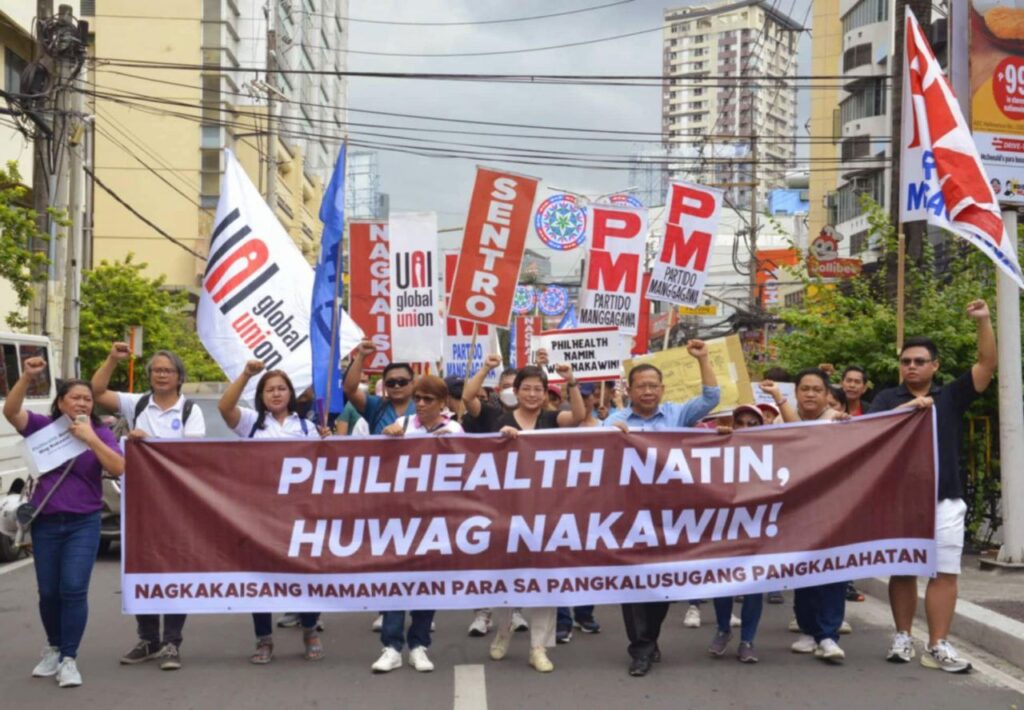
Isang malaking kilos protesta ang inilunsad ng isang koalisyon ng labor groups, health workers at medical advocates sa Mendiola Manila kahapon upang igiit ang pagbibitiw ni Health Secretary Ted Herbosa at pagbabalik ng Philhealth subsidy sa ilalim ng 2025 national budget. Nasa 1,000 miyembro ng Nagkakaisang Mamamayan para sa Pangkalusugang Pangkalahatan ang sabay sabay na nagmartsa sa Morayta patungo sa Mendiola kung saan sigaw nito ang pagtanggal na kay Herbosa gayundin ang panawagan kay Pangulong Bongbong Marcos na i-veto ang rekomendasyon ng Kongreso na bigyan ng zero budget ang Phillhealth. “zero subsidy for Philhealth but full subsidy for trapos in the form of AKAP, AICS, TUPAD and confidential funds,” pahayag ni Judy Miranda, secretary-general ng Partido Manggagawa (PM). Sinabi ni Miranda na maganda ang naging hakbang ng Kamara na tanggalin ang confidential funds sa ilalim ng ilang ahensya kabilang ang Office of the Vice President subalit ang pakialamanan pati ang healthcare system at tanggalan ng pondo ang Philhealth ay malinaw na pasakit sa sektor ng kalusugan. Binatikos ng koalisyon ang maling desisyon ng Congressional Bicameral Conference Committee na i-zero budget ang Philhealth, giit ng grupo, labag ito sa batas at dapat na bawiin. Umaasa ang koalisyon na iveveto ni Pangulong Marcos ang zero budget ng Philhealth dahil mayroon itong malaking epekto sa healtcare system. Samantala, ipinanawagan din ng grupo na tanggalin na si Herbosa bilang kalihim ng Department of Health(DoH), giit ni Miranda, imbes na suportahan ni Herbosa ang sektor ng kalusugan sa harap ng isyu ng zero budget ng Philhealth ay sinusuportahan pa nya ito. Ipinaliwanag pa ni Miranda na nabigo din si Herbosa bilang Chairman ng Philhealth Board of Directors na pagandahin ang serbisyong DoH at Philhealth. “Sectary Herbosa should step down since he cannot do his job and make good on his promises. He committed to increasing by 50% across-the-board hike in Philhealth benefits which has not materialized. Philhealth has excess funds since it is scrimping on benefits. Herbosa, Alis dyan!,” giit ni Miranda. Sinabi pa ni Miranda na ang pagsibak kay Herbosa ay ang unang hakbang para mapaganda ang kalidad ng serbisyo ng DoH at Philhealth dahil na rin sa una ang hindi magandang palakad nito kaya nasasakripisyo ang health services para sa taumbayan. Ang PM ay isa sa grupong sumanib sa koalisyon ng Nagkakaisang Mamamayan para sa Pangkalusugang Pangkalahatan na isa sa intervenor sa naisampang kaso sa Korte Suprema na tumututol sa paglipat ng P90 billion na sobrang pondo ng Philhealth sa National Treasury.
PhilHealth Has Sufficient Funds Despite Zero Subsidy in 2025 Budget – DOH

Health Secretary Ted Herbosa clarified on Monday that despite the Philippine Health Insurance Corporation (PhilHealth) receiving no subsidy under the proposed 2025 national budget, it has a surplus of P150 billion from its 2024 budget. This surplus, he said, can cover the subsidy for indirect members. Herbosa, who also chairs the PhilHealth Board of Directors, explained that the subsidy for indirect contributors costs P5,000 per member. With approximately 16 million indirect members, PhilHealth would need P80 billion, which can easily be funded by the surplus. “Sa 2024, 63% lang po ang utilization ng pera na in-allocate ng pamahalaan para sa PhilHealth [benefits]. Mababa ‘yun, diba? Kung sa atin [sa DOH], lagpak ‘yun—63%. Ibig sabihin nun, nagkaroon sila ng surplus of P150 billion,” he noted during the Department of Health (DOH) flag ceremony. (In 2024, only 63% of the government-allocated funds for PhilHealth benefits were utilized. That’s low. For the DOH, this would be a failure—63%. This resulted in a P150 billion surplus.) He added that PhilHealth has more than enough funds to cover the requested P74 billion subsidy for indirect contributors. “Mas marami pa ‘yung natira niya eh, P150 billion, [kaysa] hiningi natin na P74 billion. ‘Di ba prinesent ko sa Kongreso ay P74 billion subsidy for indirect [contributors]. Kayang-kaya bayaran ng PhilHealth ‘yung P74 billion dahil may sobra pa from last year.” (PhilHealth has P150 billion left, which is more than the P74 billion we requested. I presented the P74 billion subsidy for indirect contributors to Congress. PhilHealth can easily pay that amount because of last year’s surplus.) The removal of PhilHealth’s subsidy is linked to its P600 billion reserve funds, as revealed by Senate Finance Committee chairperson Grace Poe during discussions on the 2025 General Appropriations Bill. Under the Universal Health Care (UHC) Act, PhilHealth has already accumulated over P280 billion in reserve funds, which can cover two years’ worth of benefits and operating expenses. “Mali po ‘yung sinasabi ng mga kumukontra, na walang budget ang PhilHealth. Meron po. Napakalaki po ang [ia-approve] na budget ng Board ng PhilHealth. P284 billion po ang budget for 2025. Ang nawala po ay government subsidy,” Herbosa said. (It’s wrong to claim that PhilHealth lacks a budget. The budget to be approved by the PhilHealth Board for 2025 is P284 billion. Only the government subsidy was removed.) Despite the expected zero-subsidy arrangement, PhilHealth assured the public that its funds are sufficient to continue supporting beneficiaries. It also expressed hope that President Ferdinand “Bongbong” Marcos Jr. might reconsider the decision to cut the subsidy. Meanwhile, the DOH confirmed that services under PhilHealth will remain unaffected. Separately, Senator JV Ejercito announced plans to push for an oversight committee hearing to evaluate the implementation of the UHC Act and address potential issues in PhilHealth’s operations.
Sen. Robin Bill Reverts Devolved Agricultural Functions to National Government
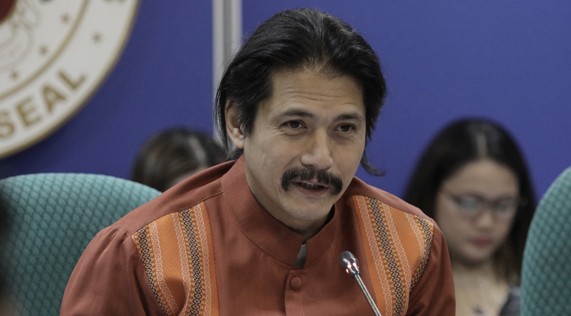
With problems such as lack of funding and political interference keeping local government units from discharging basic agricultural functions, Sen. Robinhood “Robin” C. Padilla has filed a bill reverting such functions to the national government. Padilla on Monday filed Senate Bill 2904, which amends Republic Act 7160 or the Local Government Code to ensure food security, poverty alleviation and social equity. “Under the Local Government Code of 1991, agricultural support, extension and on-site research services and facilities were devolved to the LGUs. Years after the enactment of the LGC, studies from the agriculture and economy experts… revealed issues such as lack of funds and varying needs at the local government levels, resulting in varying standards for agricultural productivity and inconsistent implementation of agricultural policies and programs,” Padilla said in his bill. He said a 2020 study by University of the Philippines Los Banos Prof. Dario Cidro noted several problems in the devolution of agricultural extension: inability to discharge functions of extension workers probably due to lack of funding partisan politics and political interference in some cases, lack of support from local chief executives “Cognizant of the issues that have plagued the agriculture sector for so long, Senate President Sen. Francis ‘Chiz’ Escudero renewed his interest to push for the renationalization of agricultural services and facilities,” Padilla said. The bill amends the Local Government Code to remove agricultural support services from the barangay; and extension and on-site research services from the municipality and provincial levels. It reverts the devolved agricultural services and facilities to the national government through the Department of Agriculture, including agricultural support services, extension and on-site research services.\ “All personnel, technicians, facilities and properties previously transferred to the barangay, municipalities, provinces and cities shall be transferred back to the National Government,” it said. Meanwhile, the National Agricultural and Fishery Council, in consultation with concerned sectors, shall identify the problems of the industry and recommend measures to enhance agricultural productivity.
MMDA Clarifies No Ban on Mall-Wide Sales Amid Christmas Traffic Measures

MANILA, Philippines — The Metropolitan Manila Development Authority (MMDA) clarified on Tuesday that it has not implemented a ban on mall-wide sales to reduce traffic congestion during the Christmas season. During a Senate committee on public services hearing, traffic enforcement group director Victor Nuñez explained that MMDA Chairman Romando Artes met with mall operators on October 17 to discuss measures aimed at easing traffic in the city. These measures include extending mall hours from 11 a.m. to midnight between November 18 and December 25 and limiting deliveries to malls from 10 p.m. to 5 a.m. Nuñez stated that mall representatives agreed to avoid scheduling sales at the same time. “We never banned mall-wide sales. There’s no black and white on this. We don’t even have penalties for conducting these activities,” he said, stressing that the MMDA’s role is mainly advisory. Nuñez also urged mall operators to coordinate with the MMDA at least two weeks before holding sales and to submit a traffic management plan to the agency.
Comelec Issues Guidelines for Eco-Friendly Campaigning in 2025 Midterm Elections
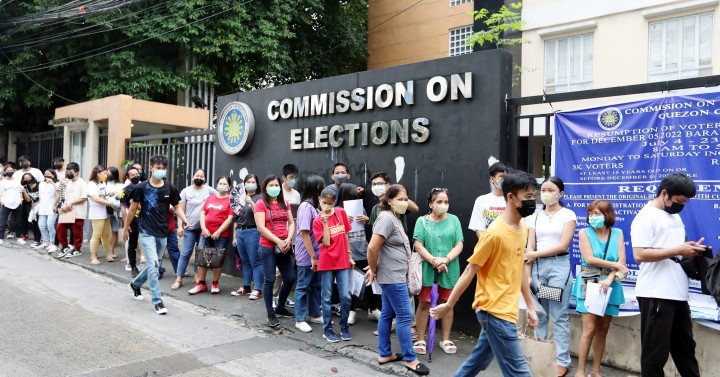
MANILA, Philippines — The Commission on Elections (Comelec) has released guidelines for campaign activities in the upcoming 2025 midterm elections. Outlined in a 32-page resolution issued yesterday, the Comelec encouraged candidates and their supporters to prioritize the use of eco-friendly and recyclable materials for their campaign paraphernalia. The poll body emphasized avoiding materials that contain hazardous chemicals or substances. Furthermore, all campaign materials must include the statement: “This material should be recycled or disposed of responsibly.” Candidates and political parties are also required to adhere to environmental policies implemented by local government units, especially regarding the use of plastic and similar materials. The Comelec reminded candidates to respect intellectual property rights in their campaigns. This includes obtaining proper permits or consent when using music, slogans, or merchandise to avoid copyright infringement. Any violations will be reported to the Intellectual Property Office of the Philippines for appropriate action. Lawful campaign materials may be displayed in authorized public spaces or on private property, provided the property owner has given consent. The Comelec warned that any illegal election propaganda would be confiscated, removed, or dismantled. Moreover, the public, including individuals, organizations, and government agencies, is encouraged to report any violations or illegal postings to the Comelec. Candidates or violators who receive a notice regarding prohibited materials will have 72 hours to remove them, as specified by the Comelec.
Philippines Set to Be POGO-Free by 2025

MANILA – By 2025, Philippine offshore gaming operations (POGOs) will be completely eradicated in the Philippines, following President Ferdinand R. Marcos Jr.’s full ban on these establishments. However, the government is preparing for potential “guerrilla operations” that may arise in response to the crackdown. “All licenses are cancelled, so POGO-free tayo (we are POGO-free). Guerrilla operations will flourish but we will go after them,” Interior Secretary Jonvic Remulla stated during a press briefing at the Palace on Wednesday. In July, Marcos mandated the immediate cessation of POGO activities, citing their association with severe crimes such as human trafficking, prostitution, and murder. A complete phase-out is scheduled by December 31. Philippine Amusement and Gaming Corp. (PAGCOR) chairperson Alejandro Tengco reported that only seven licensed POGOs remain, a significant drop from the 60 that operated in mid-2024 when the ban was initially announced. These remaining operators are working to meet the imposed deadline. “Wala naman pong pasaway sa ating mga licensees. Sila po ay cooperating both with PAGCOR and the Bureau of Immigration (BI) (All our licensees are following the process. They are cooperating both with PAGCOR and the BI) and also DOLE (Department of Labor and Employment),” Tengco assured during the same briefing. Meanwhile, Presidential Anti-Organized Crime Commission (PAOOC) Executive Director Gilbert Cruz expressed concerns that some former POGO employees might attempt to establish underground operations. “Those who will dare to operate ng (on) January, huhulihin na ‘yan (they will be arrested),” Cruz warned, noting that law enforcement agencies are set to convene and strategize on eliminating illegal POGOs. President Marcos met with Remulla, Tengco, and Cruz at Malacañang on Wednesday morning to discuss the final phase of shutting down POGOs. He directed officials to ensure that illegal operations would not resurface. “Sa aming estima, madali silang mahanap, madali silang pigilin (The way we see it, they are easy to detect, and they are easy to stop). [According] to the President’s instruction, we will make it very difficult for them until they say ‘it is not worth operating in the Philippines’,” Remulla explained. He also revealed plans to issue an order requiring local leaders to promptly report any suspicious activities tied to POGOs in their jurisdictions.