
Grid Status Red: DOE and NGCP Launch Urgent Safety Sweeps of Energy Infrastructure Following Massive Mindanao Earthquake

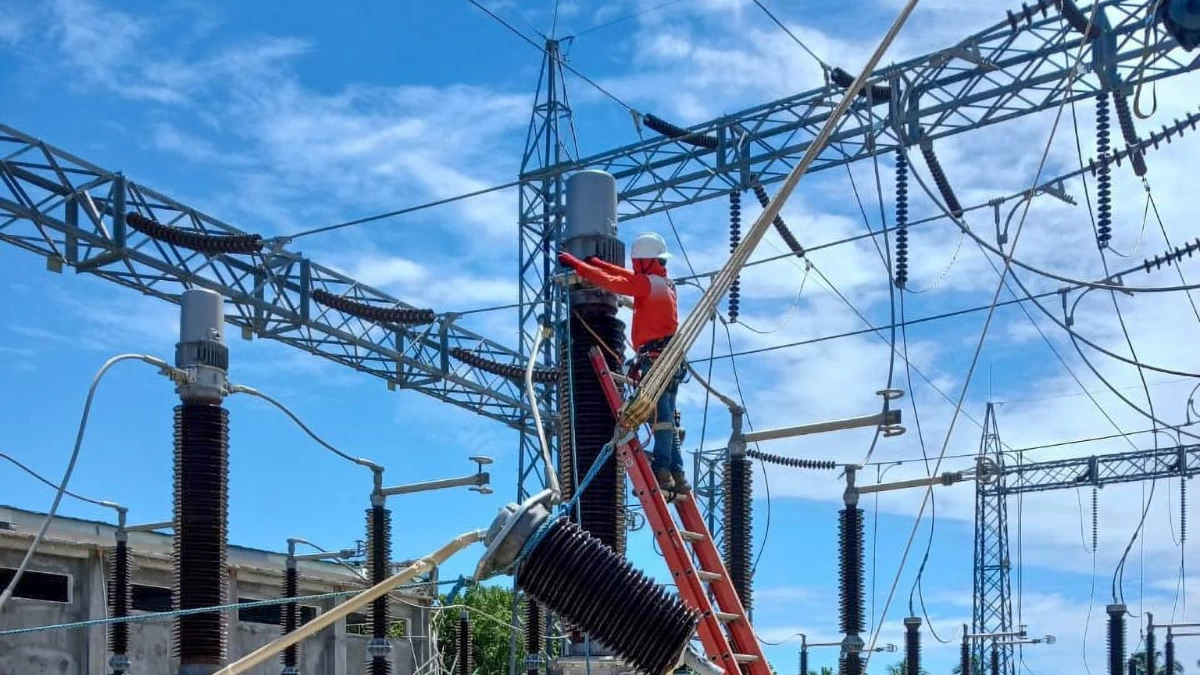
GENERAL SANTOS CITY, Philippines — Following a powerful 7.8-magnitude earthquake that struck the waters off Sarangani, the Department of Energy (DOE) and the National Grid Corporation of the Philippines (NGCP) have entered a high-stakes, whole-of-sector mobilization.
The disaster has triggered widespread operational disruptions across various southern provinces, testing the resilience of the Mindanao grid network and placing state energy planners on high alert.
Race to Restore the Grid
Grid operators and line crews were deployed immediately after the tremor to check system integrity and isolate compromised transmission segments. While power transmission services are being progressively restored across major portions of South Cotabato, Sultan Kudarat, and Davao, critical bottlenecks remain.
Technical logs released by the NGCP showcase a mixed landscape of rapid engineering recovery contrasted against deep structural vulnerabilities in the hardest-hit regional centers:
- Davao Transmission Lines: Successfully cleared and re-energized by 8:20 AM.
- Maguindanao Subgrid: Restored to operational status at 10:33 AM after thorough safety checks.
- General Santos City: Remains the epicenter of the grid crisis, facing ongoing, extensive blackouts as engineers work to rectify tripped substations and snapped distribution lines.
Prioritizing Critical Infrastructure
To protect public welfare during the blackout, the Department of Energy has issued strict directives to all regional electric cooperatives and private distribution utilities. Under these emergency protocols, priority is heavily fixed on safeguarding lives and primary healthcare capabilities.
Energy officials have ordered the immediate redirection of available power and the deployment of industrial standby backup systems to all hospitals, blood banks, and designated evacuation zones.