
Price Watch: Global Oil Markets Brace for Fourth-Quarter Volatility

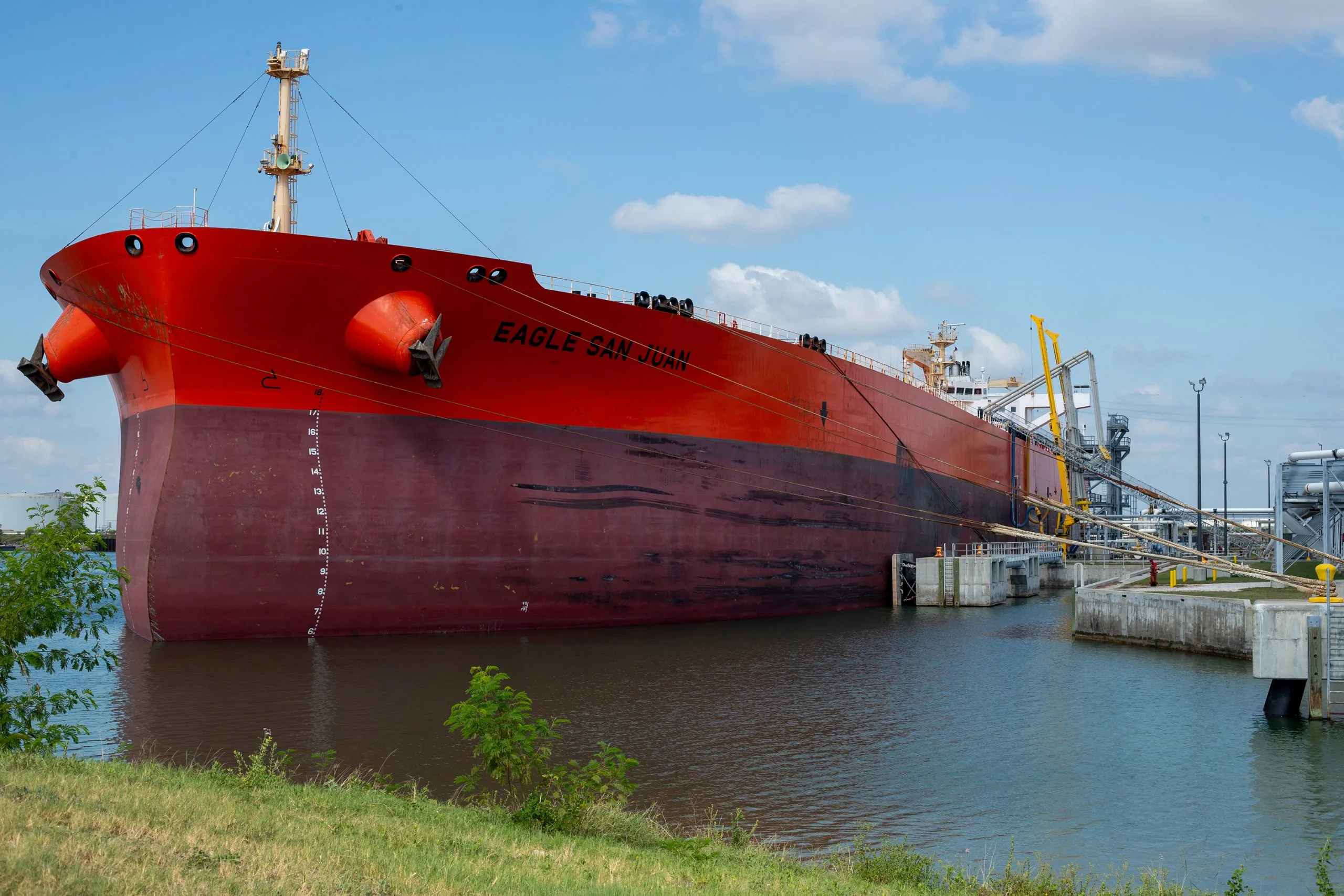
As the global economy grapples with uneven growth and shifting energy dynamics, oil prices are heading into the final quarter of 2025 under intense pressure. Analysts from the International Energy Agency (IEA) and the U.S. Energy Information Administration (EIA) warn that volatility will define the remainder of the year, with Brent crude expected to hover between US$55 and US$65 per barrel — or even dip lower if demand continues to weaken.
According to a recent Reuters report, the IEA anticipates a surplus of around 4 million barrels per day (b/d) by 2026, fueled by rising output from both OPEC+ and non-OPEC producers such as the United States, Brazil, and Guyana. Despite earlier production cuts, the oil cartel began unwinding voluntary reductions in the second half of 2025, adding more than half a million barrels per day to global supply by September.
Meanwhile, the EIA’s latest forecast indicates Brent prices could slide to around US$58 per barrel in the fourth quarter. Major banks share a similar outlook — J.P. Morgan expects prices to average in the low-to-mid US$60s, while Goldman Sachs maintains its year-end target of US$59 but warns of downside risks if the supply glut persists.
Oversupply Meets Weak Demand
Oversupply isn’t the only concern weighing on the market. Global demand growth remains tepid, with consumption projected to rise by only 0.7 million b/d in 2025. Weak industrial activity in China, slowing transport demand in Europe, and muted refinery runs across Asia have all dampened consumption prospects.
Market indicators also suggest bearish sentiment. The Brent futures curve has shifted into contango — where near-term contracts trade below later-dated ones — signaling expectations of surplus inventories and subdued immediate demand. Traders are increasingly betting on storage plays rather than short-term price spikes.
The Geopolitical Wild Cards
Despite the bearish fundamentals, geopolitical flashpoints continue to inject uncertainty. Shipping disruptions in the Red Sea and ongoing tensions in the Middle East have kept traders wary of potential supply shocks. Analysts note that any escalation in these regions could rapidly reverse downward price momentum, especially if export routes or key production hubs are affected.
Still, such risks have not been enough to outweigh structural oversupply. “The market is fundamentally oversupplied, and inventories are building faster than expected,” one analyst told Reuters, pointing out that demand softness has persisted even amid lower prices.
What This Means for Asia
For Southeast Asian importers — including the Philippines, Thailand, and Indonesia — the current price environment brings mixed consequences. On one hand, lower crude prices offer relief from inflationary pressures, potentially easing costs for fuel and electricity. On the other, prolonged price weakness could discourage investment in renewable energy projects, which often rely on high fossil fuel costs to remain competitive.
Regional refiners may also face narrower margins, as product prices lag behind crude declines. In markets like Singapore and Malaysia, refiners have already begun scaling back runs in response to weaker gasoline and diesel cracks.
Looking Ahead
As 2025 closes, the market’s trajectory will depend heavily on two factors: OPEC+’s production discipline and the pace of global economic recovery. The IEA’s medium-term outlook suggests that unless new demand centers emerge, oil prices could remain subdued well into 2026.
In the short term, traders are keeping a close eye on weekly U.S. inventory data, Asian fuel consumption trends, and any sudden geopolitical disruptions that could shift sentiment. For now, the base case remains one of cautious bearishness: abundant supply, fragile demand, and a futures curve that tells a story of waiting — not wanting — for recovery.
Sources: