
Anticipatory Disaster Law: How Tech Is Powering Early Response

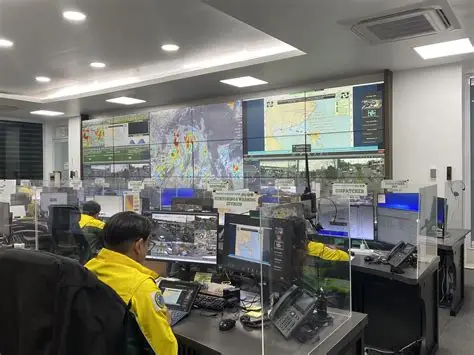
The Philippines has taken a major step in disaster resilience with the passage of the State of Imminent Disaster Act, a landmark law that allows the government to act before disasters strike.
Traditionally, disaster response funds could only be released after a calamity was officially declared. The new law changes that — enabling agencies to mobilize resources, pre-position supplies, and protect communities based on scientific forecasts and early warning signals.
At the heart of this approach is technology: predictive analytics, satellite monitoring, and AI-driven weather models provide data that agencies can now use to trigger anticipatory action. For example, if forecasts indicate a high probability of severe flooding in a province, relief goods and evacuation measures can be rolled out days in advance.
International organizations, including the World Food Programme (WFP), hailed the legislation as a model for climate-vulnerable nations. The Philippines is among the first countries in Asia to institutionalize anticipatory action into law.
Experts say this is not only about saving lives — it’s also about saving money. Every peso spent on preemptive measures can reduce disaster losses several times over, by avoiding widespread damage to infrastructure and livelihoods.
Still, challenges remain. Effective implementation will depend on inter-agency coordination, reliable funding, and ensuring that local governments are trained to act on technical forecasts. Civil society groups stress the importance of transparency in how anticipatory funds are used.
In a country battered by typhoons like Super Typhoon Ragasa this September, the new law represents a critical shift from reactive relief to proactive resilience, powered by technology and data.
Source: WFP