
Fuel Costs Soar Again: How End-August Oil Price Hikes Are Hitting Filipino Households

Rising at the Pumps
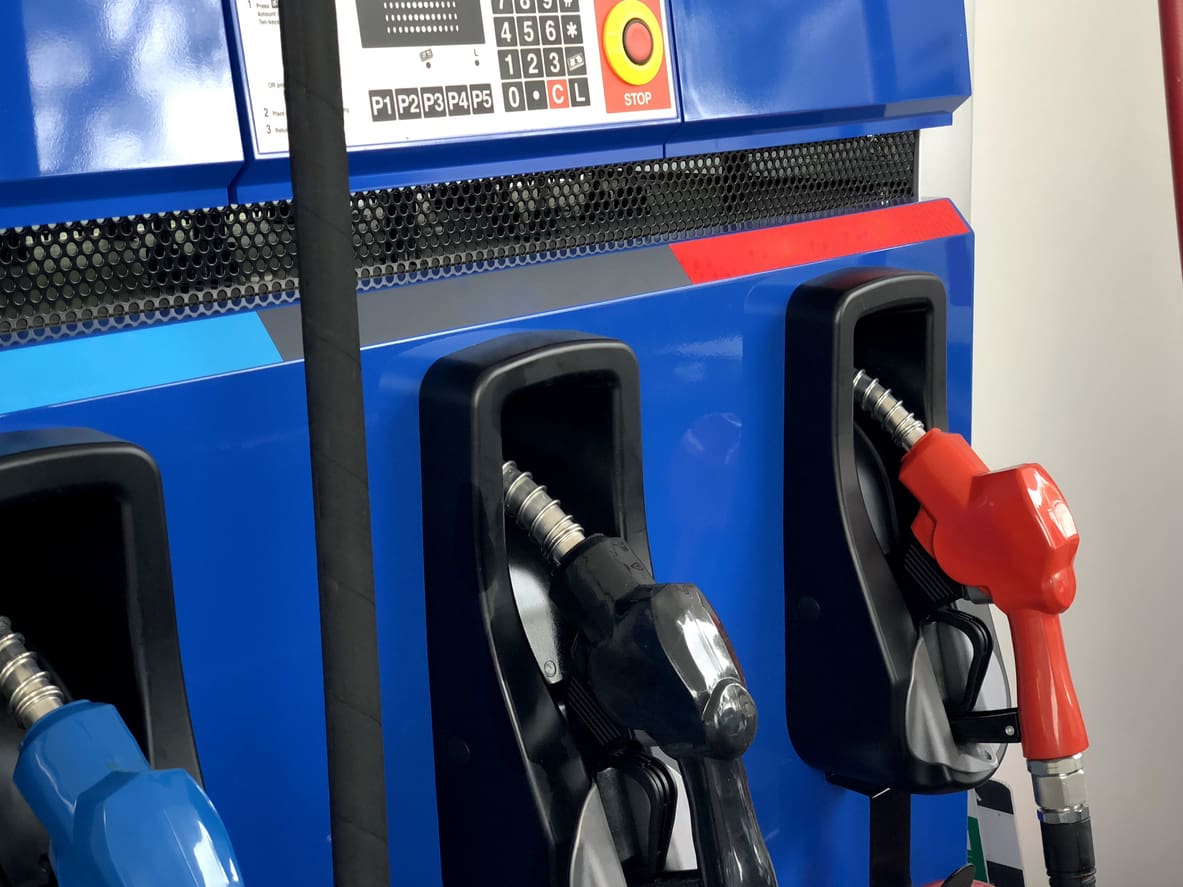
For the second straight week, motorists are greeted with higher pump prices as oil firms announced increases effective August 26, 2025. Gasoline climbed by ₱0.70 per liter, diesel by ₱0.50 per liter, and kerosene by ₱0.30 per liter.
This latest adjustment brings year-to-date hikes to ₱10.20/L for gasoline and ₱12.10/L for diesel, according to data from the Department of Energy (DOE). Industry watchers point to global crude supply concerns, OPEC+ output cuts, and geopolitical tensions in the Middle East as the main culprits behind the surge (PhilStar, GMA News).
Ripple Effects Across Daily Life
The impact of higher fuel costs is not limited to motorists. Jeepney and bus operators, already squeezed by high maintenance costs, are warning of possible fare hike petitions if prices persist. Trucking groups also note that the added burden on logistics may eventually push food and commodity prices higher—further fueling inflationary pressures.
For households, this means higher costs of living:
-
Transport: Daily commuters face the threat of rising fares.
-
Food Prices: Supply chain costs may push up the prices of rice, vegetables, and meat.
-
Electricity Bills: Oil-fired power plants, though fewer in number, may still pass costs onto consumers.
Economists warn that the latest price uptick could strain household budgets, especially for lower-income families who spend a disproportionate share on transport and food.
Government Response
Malacañang and the Department of Energy say they are monitoring developments closely. Energy Secretary Raphael Lotilla has called on fuel firms to maintain transparency in pricing, while transport regulators are urging moderation in fare hike petitions.
Meanwhile, proposals for a fuel subsidy program for jeepney and tricycle drivers are being revived, though details on funding remain unclear.
Bangko Sentral ng Pilipinas (BSP) Governor Eli Remolona also noted that persistent fuel hikes could complicate efforts to stabilize inflation, which has been trending above government targets for much of 2025.
Coping Strategies for Households
Consumer groups suggest several ways for households to cushion the blow:
-
Shift to ride-sharing or carpooling to save on daily commute costs.
-
Budget adjustments—prioritizing essential expenses while deferring discretionary purchases.
-
Monitoring price advisories to refuel strategically during rollbacks.
On a broader level, analysts emphasize that the country’s heavy dependence on imported oil highlights the urgency of accelerating renewable energy projects and expanding mass transport systems.
The Bigger Picture
The latest fuel price hikes serve as a reminder of the Philippines’ vulnerability to global oil market shocks. While renewable energy and mass transit improvements offer long-term relief, Filipino households continue to bear the brunt of short-term volatility—feeling the pinch in their wallets every time prices climb at the pump.