
The Next Energy Crisis?: Preparing for Volatility in Fossil Fuel Markets

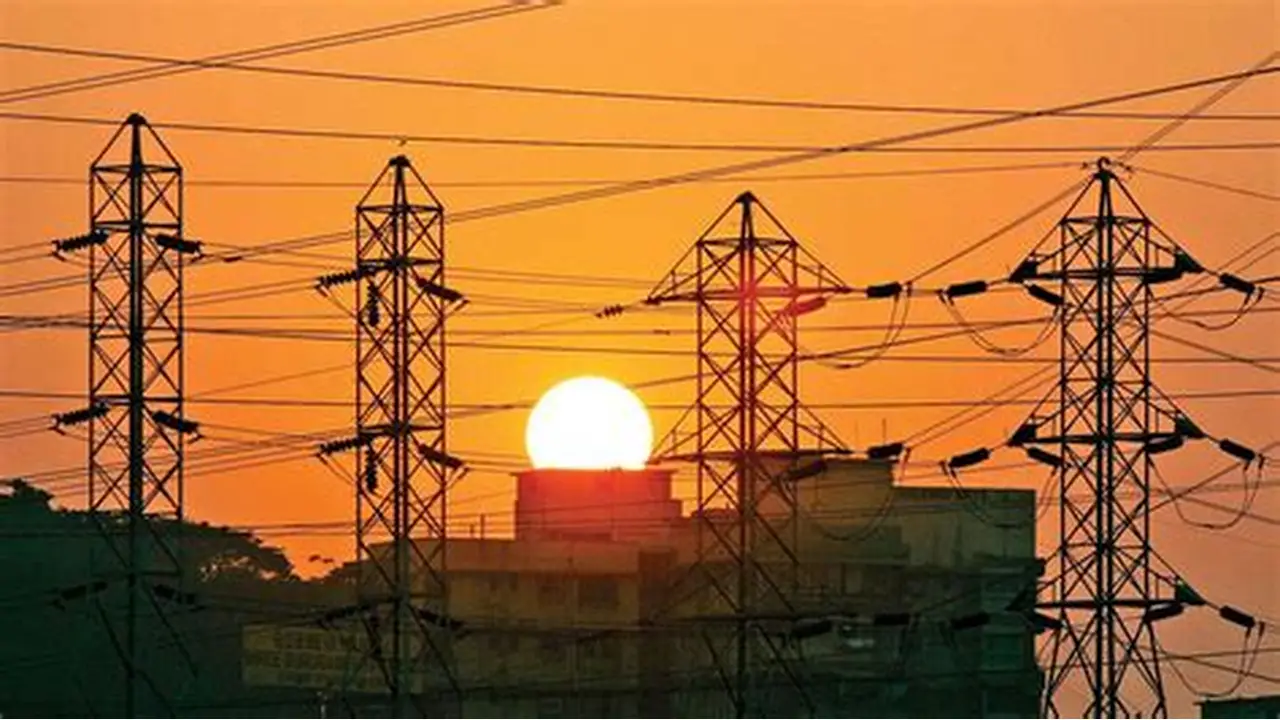
Global headlines may no longer scream of oil shortages or gas rationing, but behind the relative calm lies a ticking time bomb: the continuing volatility of fossil fuel markets. As geopolitical tensions, climate policies, and economic instability intersect, energy analysts warn that the next energy crisis may already be unfolding—just less dramatically than the last.
A Shifting Landscape
Since the shocks of the 2022–2023 fuel price surges, nations have taken steps to diversify energy sources. Yet fossil fuels—coal, oil, and natural gas—still account for roughly 80% of global energy consumption. For countries like the Philippines, which rely heavily on imported oil and coal, market fluctuations translate directly to increased energy costs, inflation, and strain on household budgets.
“Fossil fuel markets are no longer just driven by supply and demand—they’re now shaped by geopolitics, environmental policies, and technology shifts,” said Dr. Eliza Villanueva, energy policy researcher at UP Diliman. “The volatility is structural, not temporary.”
Climate Action Meets Energy Security
As nations accelerate decarbonization efforts under the Paris Agreement, fossil fuel producers face shrinking markets—and thus, shrinking incentives to invest in production. Ironically, this has created a supply crunch, especially in developing countries that are still dependent on fossil fuel imports.
Meanwhile, the energy transition is creating a dual pressure: scale up renewables quickly, but maintain stable fossil fuel access until the shift is complete.
“This balancing act is delicate,” Villanueva added. “If we move too slowly, climate goals suffer. Too fast, and we risk energy shortages.”
Asia’s Unique Risk Profile
Southeast Asia is particularly vulnerable. The region’s growing energy demands, limited domestic reserves, and heavy reliance on fossil fuel imports make it susceptible to global price swings.
In the Philippines, nearly half of electricity generation still comes from coal. And with the Malampaya gas field—once a key source of natural gas—nearing depletion, questions about long-term energy security remain unresolved.
Preparing for the Unpredictable
Governments and businesses alike are now rethinking their energy strategies. Some recommended actions include:
- Diversifying the energy mix by investing in solar, wind, and hydro technologies
- Modernizing grid infrastructure to accommodate intermittent renewable sources
- Strengthening fuel reserve policies and local refining capacities
- Investing in energy storage and efficiency to reduce overall consumption
Private companies are also exploring hedging strategies to protect against fuel price shocks, while others are shifting operations to cleaner sources to manage long-term risk and regulation.
The Path Forward
The next energy crisis may not arrive with the drama of the 1970s oil embargo or 2022’s price spike—but it could be deeper, longer-lasting, and harder to reverse. It will test not only supply chains, but also policy foresight, corporate agility, and consumer resilience.
As Dr. Villanueva puts it: “The real question isn’t if there’s another energy crisis coming. It’s whether we’ll be ready this time.”