
Waste-to-Energy Plants: Are They Sustainable or a Risky Shortcut?

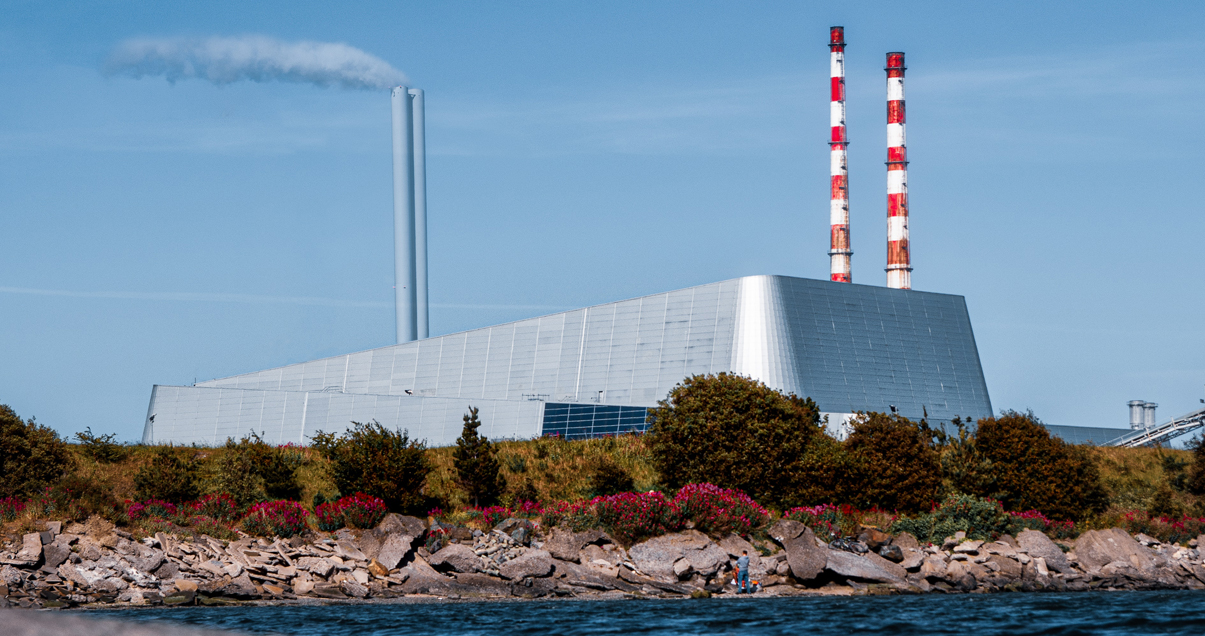
As urban waste piles up and landfill space shrinks, waste-to-energy (WTE) technology is gaining traction in the Philippines as a potential solution to two major problems: solid waste management and energy supply. But while the concept promises cleaner cities and additional power, experts remain divided—are WTE plants truly sustainable, or are they a risky shortcut with long-term consequences?
The Promise of WTE
Waste-to-energy plants convert non-recyclable waste into usable heat, electricity, or fuel—typically through incineration. Proponents argue that WTE technology reduces the volume of waste sent to landfills by up to 90%, helps generate electricity, and lowers methane emissions from rotting garbage.
In Metro Manila alone, over 10,000 tons of garbage are generated daily. Local governments, under pressure to manage mounting waste and limited landfill capacity, are exploring WTE projects as a practical solution.
In 2024, Quezon City partnered with a private firm to construct the country’s largest WTE facility, expected to process up to 3,000 metric tons of waste per day and supply 36 megawatts of power to the grid.
A Sustainable Strategy?
WTE plants may sound like a win-win, but the sustainability argument is more complex. While they do reduce landfill use and can displace fossil fuels, critics question the environmental cost of incineration, particularly the release of harmful air pollutants such as dioxins and heavy metals.
“Waste-to-energy may sound green, but burning trash still creates pollution and carbon emissions,” warned environmental scientist Dr. Genevieve Lao. “It also risks undermining recycling and composting efforts if waste becomes fuel.”
Moreover, the economics of WTE are not always favorable. These facilities are expensive to build and operate, and often require guaranteed waste supply—meaning they could incentivize waste generation rather than reduction.
Legal and Environmental Hurdles
The Philippines has a ban on incineration under the Clean Air Act of 1999. However, the law leaves room for interpretation. Some WTE proponents argue that modern technologies meet emission standards and don’t fall under the ban.
Environmental groups like EcoWaste Coalition strongly disagree. “The solution lies in zero-waste strategies—segregation, recycling, composting—not burning,” said the group in a recent statement opposing WTE projects in Batangas and Cebu.
Global Lessons
Countries like Sweden and Japan have successfully implemented WTE plants alongside aggressive recycling programs. However, these success stories depend on strict emissions controls, advanced technology, and strong public policy frameworks—conditions that are not always present in developing nations like the Philippines.
“Without clear regulatory oversight and transparency, WTE could become another source of environmental injustice, especially in low-income communities near incineration sites,” said urban planner Karla Santos.
What’s the Alternative?
Experts advocate a balanced approach. Rather than relying solely on WTE, investments should also go toward improving waste segregation, material recovery facilities (MRFs), composting centers, and extended producer responsibility (EPR) systems.
“The goal should be a circular economy, where waste is minimized at the source, and resources are reused as much as possible,” said Leandro Cruz of the Institute for Climate and Sustainable Cities.
Conclusion
Waste-to-energy is not a silver bullet. While it offers potential benefits for urban waste management and energy generation, it also poses significant environmental and social risks if not implemented responsibly.
As local governments consider WTE projects, the real challenge lies in ensuring that such solutions don’t come at the cost of long-term sustainability. The future of waste management in the Philippines may depend less on how we burn trash—and more on how we prevent it in the first place.