
Philippines Loading date... Loading time...
Innovation and Tech

AgriTech in the Philippines: Local Innovations Making an Impact

In a country where agriculture remains a major livelihood for millions, the integration of technology into farming is no longer just an option—it’s a necessity. Across the Philippines, a quiet revolution is underway as local startups, cooperatives, and research institutions develop AgriTech solutions aimed at transforming how food is grown, harvested, and distributed. A Sector in Need of Change Despite its potential, Philippine agriculture has long struggled with issues such as low productivity, climate vulnerability, and supply chain inefficiencies. Farmers face outdated practices, limited access to financing, and post-harvest losses that reduce profits. The good news? Homegrown innovations are stepping in to bridge these gaps. Smart Farming Gains Ground Startups like Cropital, Mayani, and Agriblocks are using tech to solve real-world problems. Cropital, for example, is a crowdfunding platform that connects farmers with investors to provide capital for farm operations. Mayani, on the other hand, enables smallholder farmers to sell directly to consumers and businesses via an e-commerce platform. Meanwhile, some farms have adopted smart sensors and drones to monitor crop health, water use, and soil conditions. These tools reduce manual labor and improve decision-making, especially in remote or typhoon-prone areas. AI and Data-Driven Agriculture The Philippine Rice Research Institute (PhilRice) and the International Rice Research Institute (IRRI) have rolled out mobile apps like Rice Crop Manager that use AI to provide farmers with real-time recommendations on fertilizer application, planting schedules, and pest control. “This kind of decision-support tool empowers farmers with science-based advice, which is especially useful in adapting to changing climate conditions,” said Dr. Hazel Santos, a data analyst at PhilRice. Agritech in Urban Spaces Urban agriculture is also experiencing a boost through modular hydroponic systems, app-controlled indoor gardens, and community farming initiatives. Startups like Urban Greens are helping Metro Manila residents grow their own vegetables—even in condos and rooftops—reducing dependence on long supply chains. Government and Academic Support Government programs under the Department of Science and Technology (DOST) and Department of Agriculture (DA) have begun supporting tech-driven farming practices, offering grants, innovation hubs, and training sessions. In 2024, the DA launched the National Precision Agriculture Roadmap, which outlines efforts to expand the use of drones, satellite mapping, and digital farm recordkeeping across major crop sectors. Challenges Ahead Despite promising developments, challenges persist. Internet connectivity in rural areas, lack of digital literacy, and limited funding for AgriTech startups remain significant hurdles. “There’s a lot of potential, but scaling these technologies nationwide requires strong public-private partnerships and inclusive training programs,” said Engr. Leo Bartolome of the University of the Philippines Los Baños (UPLB). The Future Is Growing AgriTech in the Philippines is still in its early stages, but its trajectory is promising. With local innovations gaining traction and support, the country is well on its way to modernizing agriculture—making it more sustainable, profitable, and resilient. As more farmers embrace technology and more startups emerge to serve them, AgriTech may just be the key to unlocking a smarter, food-secure future for the Philippines.

admin
By admin Energy Buzz Contributor
July 31, 2025 3 min read

In a country where agriculture remains a major livelihood for millions, the integration of technology into farming is no longer just an option—it’s a necessity. Across the Philippines, a quiet revolution is underway as local startups, cooperatives, and research institutions develop AgriTech solutions aimed at transforming how food is grown, harvested, and distributed.

A Sector in Need of Change

Despite its potential, Philippine agriculture has long struggled with issues such as low productivity, climate vulnerability, and supply chain inefficiencies. Farmers face outdated practices, limited access to financing, and post-harvest losses that reduce profits. The good news? Homegrown innovations are stepping in to bridge these gaps.

Smart Farming Gains Ground

Startups like Cropital, Mayani, and Agriblocks are using tech to solve real-world problems. Cropital, for example, is a crowdfunding platform that connects farmers with investors to provide capital for farm operations. Mayani, on the other hand, enables smallholder farmers to sell directly to consumers and businesses via an e-commerce platform.

Meanwhile, some farms have adopted smart sensors and drones to monitor crop health, water use, and soil conditions. These tools reduce manual labor and improve decision-making, especially in remote or typhoon-prone areas.

AI and Data-Driven Agriculture

The Philippine Rice Research Institute (PhilRice) and the International Rice Research Institute (IRRI) have rolled out mobile apps like Rice Crop Manager that use AI to provide farmers with real-time recommendations on fertilizer application, planting schedules, and pest control.

“This kind of decision-support tool empowers farmers with science-based advice, which is especially useful in adapting to changing climate conditions,” said Dr. Hazel Santos, a data analyst at PhilRice.

Agritech in Urban Spaces

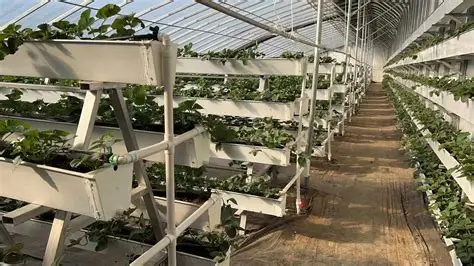
Urban agriculture is also experiencing a boost through modular hydroponic systems, app-controlled indoor gardens, and community farming initiatives. Startups like Urban Greens are helping Metro Manila residents grow their own vegetables—even in condos and rooftops—reducing dependence on long supply chains.

Government and Academic Support

Government programs under the Department of Science and Technology (DOST) and Department of Agriculture (DA) have begun supporting tech-driven farming practices, offering grants, innovation hubs, and training sessions.

In 2024, the DA launched the National Precision Agriculture Roadmap, which outlines efforts to expand the use of drones, satellite mapping, and digital farm recordkeeping across major crop sectors.

Challenges Ahead

Despite promising developments, challenges persist. Internet connectivity in rural areas, lack of digital literacy, and limited funding for AgriTech startups remain significant hurdles.

“There’s a lot of potential, but scaling these technologies nationwide requires strong public-private partnerships and inclusive training programs,” said Engr. Leo Bartolome of the University of the Philippines Los Baños (UPLB).

The Future Is Growing

AgriTech in the Philippines is still in its early stages, but its trajectory is promising. With local innovations gaining traction and support, the country is well on its way to modernizing agriculture—making it more sustainable, profitable, and resilient.

As more farmers embrace technology and more startups emerge to serve them, AgriTech may just be the key to unlocking a smarter, food-secure future for the Philippines.